White Spots on Teeth: Causes and Treatment
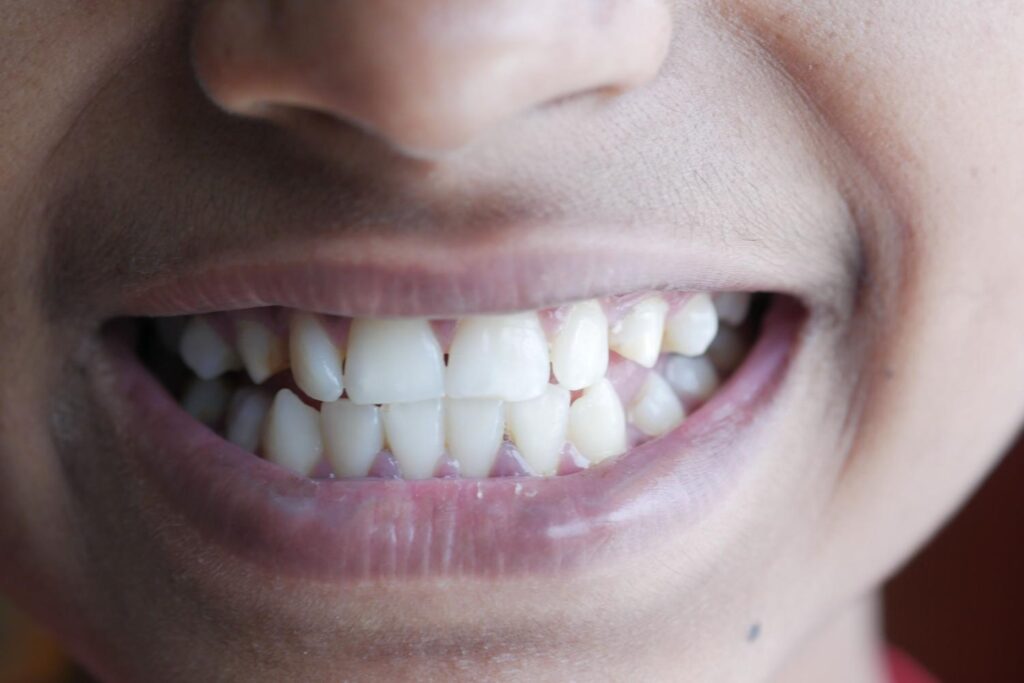
White spots on teeth are areas of enamel that look lighter, chalkier, or more opaque than the surrounding tooth surface. They can appear on one tooth or several teeth and may develop for very different reasons.
Some white spots are related to early enamel mineral loss, while others may be caused by fluorosis, developmental changes in enamel, previous orthodontic treatment, or differences in the way the enamel formed.
You may also notice white spots on the bottom of teeth or find that previously subtle areas become more visible after whitening. In some cases, white spots on teeth after bleaching are temporary or appear more noticeable because the surrounding enamel has changed shade.
Because different causes require different treatments, the first step is identifying why the white spots appeared.
What Causes White Spots on Teeth?
There is no single cause of white spots.
Common causes include:
- Early enamel demineralization
- Dental fluorosis
- Plaque buildup
- Poor oral hygiene
- Braces or orthodontic appliances
- Developmental enamel defects
- Molar-incisor hypomineralization
- Previous trauma to developing teeth
- Acid exposure
- Early tooth decay
White spots caused by mineral loss often develop when acids produced by plaque bacteria remove minerals such as calcium and phosphate from the enamel.
This can create a chalky area before an actual cavity forms.
Other white spots develop while the tooth is forming and may remain visible even when the tooth itself is healthy.
Do White Spots on Teeth Mean Decay?
Not always.
Some white spots can represent the earliest stage of tooth decay, known as enamel demineralization.
At this stage, the enamel has begun losing minerals, but a physical cavity may not yet have formed.
Perfect Smile’s guide to tooth decay explains that demineralization can appear as a white or chalky area before further enamel breakdown develops.
However, white spots can also result from fluorosis or developmental enamel differences and may not represent active decay.
The appearance alone is therefore not enough to diagnose the cause.
A dentist can examine the enamel, evaluate plaque levels, and determine whether the spot represents active mineral loss or another condition.
If what you’re experiencing sounds familiar, early diagnosis can save you time, discomfort, and more complex procedures.
- Accurate diagnosis by dental specialists
- Advanced technology and modern equipment
- Personalized treatment plans
لو الأعراض اللي بتقرأ عنها حاسس إنها شبه اللي بتمر بيه، التشخيص المبكر بيوفر عليك وقت، تعب، وإجراءات أكبر ممكن تحتاجها بعد كده.
- تشخيص دقيق على يد أطباء متخصصين
- أحدث الأجهزة والتقنيات
- خطة علاج مناسبة لكل حالة
What Deficiencies Can Cause White Spots?
White spots are not usually caused by one simple vitamin deficiency.
Enamel development can be affected by several factors during childhood, including nutrition, illness, mineral disturbances, trauma, and developmental conditions.
Calcium and vitamin D are important for normal tooth and bone development, but noticing a white spot does not automatically mean you have a calcium or vitamin deficiency.
More common dental explanations include fluorosis, enamel hypomineralization, or demineralization caused by plaque acids.
A dental examination is more useful than assuming the cause is nutritional.
Why Are There White Spots on the Bottom of Teeth?
White spots on the bottom of teeth may appear near the gumline or along the lower portion of the tooth surface.
One possible cause is plaque-related demineralization.
Plaque can accumulate near the gumline, especially in areas that are difficult to clean. Bacterial acids can gradually remove minerals from the enamel and create a white, matte, or chalky area.
Other possible causes include:
- Fluorosis
- Enamel developmental differences
- Orthodontic white-spot lesions
- Mineralization defects
- Early tooth decay
It is also important to distinguish actual enamel white spots from plaque or tartar deposits sitting on the tooth surface.
How Do You Remove White Spots on the Bottom of Teeth?
Treatment depends on what is causing the white area.
If the white appearance is caused by plaque or tartar, professional cleaning may improve the appearance.
If the enamel itself has lost minerals, your dentist may recommend remineralization strategies such as fluoride or other mineral-supporting products.
Persistent cosmetic spots may sometimes be treated with:
- Enamel microabrasion
- Resin infiltration
- Composite bonding
- Professional whitening
- Veneers in selected cases
The appropriate treatment depends on the depth, cause, and appearance of the lesion.
Can White Spots on Teeth Go Away?
Some white spots can improve, while others remain visible without professional treatment.
Early demineralization may sometimes improve when the enamel is remineralized and the underlying cause is controlled.
This may involve better plaque control, fluoride exposure, dietary changes, and professional dental care.
White spots caused by fluorosis or developmental enamel changes are less likely to disappear naturally.
However, modern cosmetic and minimally invasive dental treatments can often reduce their visibility.
Are White Spots on Permanent Teeth Treatable?
Yes.
White spots on permanent teeth can often be treated or made significantly less noticeable.
Treatment options depend on the cause and severity.
Early demineralization may respond to remineralization.
More persistent spots may be treated using:
- Resin infiltration
- Microabrasion
- Composite bonding
- Tooth whitening
- Veneers
A dentist should determine the cause before recommending cosmetic treatment because whitening alone may not produce an even result in every case.
How Do You Get Rid of White Spots on Teeth?
The most appropriate treatment depends on whether the white spots are caused by mineral loss, fluorosis, developmental enamel changes, or another condition.
Remineralization
Early demineralization may sometimes be managed using fluoride and improvements in oral hygiene.
Reducing frequent sugar and acidic-food exposure can also help protect the enamel.
Resin Infiltration
Resin infiltration is a minimally invasive technique used for certain white-spot lesions.
A special resin penetrates the porous enamel and changes how light reflects through the area, making the white spot less noticeable.
Enamel Microabrasion
Microabrasion removes a very thin outer layer of enamel and may be appropriate for superficial discoloration.
Composite Bonding
Tooth-colored composite material can cover spots that do not respond adequately to less invasive approaches.
Veneers
Veneers may be considered for more significant cosmetic concerns or when white spots occur alongside other issues with tooth shape or color.
The best treatment is determined by both the cause of the spot and the patient’s cosmetic goals.
What Toothpaste Is Best for White Spots?
There is no single toothpaste that can remove every type of white spot.
For enamel demineralization, fluoride toothpaste may help support remineralization and reduce the risk of further mineral loss.
Your dentist may recommend specific fluoride or remineralizing products depending on your enamel condition.
Aggressive whitening toothpastes should not automatically be used to treat white spots.
Because they can alter the surrounding shade or increase contrast, they may sometimes make the uneven color more noticeable.
White Spots on Teeth After Bleaching: Is It Normal?
White spots on teeth after dental bleaching can sometimes become temporarily more noticeable.
Whitening does not necessarily create the underlying white spots.
Instead, whitening may change the shade of the surrounding enamel, making areas affected by demineralization, fluorosis, or enamel differences stand out more clearly.
Temporary dehydration of the enamel immediately after teeth whitening can also make color differences more obvious.
The appearance may become more even as the teeth rehydrate.
However, spots that remain clearly visible may have existed before whitening and may require a different treatment approach.
How Do You Fix White Spots After Whitening?
The first step is usually to allow the tooth color to stabilize after whitening.
If white spots remain, the dentist can determine whether they are caused by enamel demineralization, fluorosis, or another enamel condition.
Depending on the cause, treatment may include:
- Remineralization
- Resin infiltration
- Microabrasion
- Composite bonding
- Additional professionally planned cosmetic treatment
Simply repeating whitening treatment may not solve the problem.
Perfect Smile provides professional dental bleaching and teeth whitening treatments where the starting shade and type of discoloration can be evaluated before treatment.
How Long Do Teeth Look Splotchy After Whitening?
Uneven coloration can occur immediately after whitening because the enamel may temporarily become dehydrated.
As the teeth rehydrate, the shade can begin to stabilize.
This usually happens relatively quickly, but the exact appearance varies between patients and whitening systems.
If clearly defined white spots remain after the overall shade has stabilized, they may represent an underlying enamel condition rather than a temporary whitening effect.
A dentist can determine whether further treatment is necessary.
Whether you need a routine checkup or a specialized dental procedure, you can visit the nearest clinic in one of our prime locations.
- Experienced dental specialists
- Multiple clinic locations
- Flexible appointment scheduling
سواء كنت محتاج كشف دوري أو إجراء علاجي متخصص، تقدر تحجز وتزورنا في أقرب عيادة لك وفي الموعد الي يناسبك.
- أطباء أسنان بخبرة عالية
- أكثر من فرع لسهولة الوصول
- مواعيد مرنة تناسب يومك
When Should You See a Dentist for White Spots on Teeth?
White spots are not always dangerous, but they should be evaluated when they are new, changing, or associated with other dental symptoms.
You should consider seeing a dentist if:
- A white spot appears suddenly
- The area becomes larger
- The surface becomes rough
- Sensitivity develops
- A cavity begins to form
- The spot is close to the gumline
- Multiple new spots appear
- White areas remain after whitening
- The appearance is affecting your confidence
Early examination is especially important when demineralization is suspected because intervention may help prevent the lesion from progressing into a cavity.
Contact Perfect Smile Dental Center so the dentists can assess whether white spots are related to early decay, enamel development, fluorosis, discoloration, or another cause and recommend an appropriate treatment plan.
Frequently Asked Questions About White Spots on Teeth
Can White Spots on Teeth Be Cured?
Many white spots can be improved, but treatment depends on their cause.
Early demineralization may sometimes be remineralized.
Fluorosis and developmental enamel defects may require cosmetic approaches such as resin infiltration, microabrasion, bonding, or veneers.
The objective may be to strengthen the enamel, improve appearance, or both.
Are White Spots on Gums After Whitening Strips Normal?
White spots on the gums are different from white spots on tooth enamel.
Whitening products can sometimes irritate gum tissue if the bleaching agent comes into direct contact with the gums.
This may create temporary whitening or irritation of the soft tissue.
Stop using the whitening product if you notice significant irritation and follow the manufacturer’s instructions.
If the white area persists, becomes painful, develops into an ulcer, or does not improve, arrange a dental examination.
Perfect Smile’s gum disease guide also explains that persistent white areas on the gums should not automatically be assumed to be gum disease because several other oral conditions can produce white patches.
Can White Spots Come Back After Treatment?
Yes, depending on the cause.
If white spots developed because of enamel demineralization and the underlying plaque or dietary habits are not controlled, new areas can develop.
Maintaining good oral hygiene, using fluoride toothpaste, limiting frequent sugary or acidic foods, and attending regular dental examinations can help reduce the risk.
White spots caused by developmental conditions do not technically “return,” but cosmetic treatments may require maintenance over time.
Sources & References
- What Causes White Spots on Teeth? / Do White Spots on Teeth Mean Decay?
American Association of Orthodontists – White Spots on Teeth
https://aaoinfo.org/whats-trending/will-treatment-cause-white-marks-on-teeth/
- How Do You Get Rid of White Spots on Teeth? / Are White Spots on Permanent Teeth Treatable?
British Dental Journal – Diagnosis and Treatment Options for White Spot Lesions
https://www.nature.com/articles/s41415-020-2057-x
- Can White Spots on Teeth Go Away? / What Deficiencies Can Cause White Spots?
Medical News Today – White Spots on Teeth
https://www.medicalnewstoday.com/articles/322112
- White Spots on Teeth After Bleaching / How Do You Fix White Spots After Whitening?
Aspen Dental – White Spots After Teeth Whitening
https://www.aspendental.com/dental-care-resources/white-spots-after-teeth-whitening/
- Do White Spots on Teeth Mean Decay? / When Should You See a Dentist?
Perfect Smile Dental Center – Tooth Decay