A brighter smile can make a noticeable difference in the way you feel when speaking, laughing, and meeting new people. Over time, natural teeth may become darker because of coffee, tea, smoking, coloured foods, certain medications, ageing, or changes within the tooth itself. This is where dental bleaching can help.
At Perfect Smile Dental Center, dental bleaching is planned around your individual smile, oral health, and the type of discoloration affecting your teeth. The goal is not simply to make teeth look as white as possible, but to achieve a cleaner, brighter, and natural-looking shade that suits your smile.
Whether you are preparing for an important event, refreshing your appearance, or looking for a more confident smile, professional bleaching of teeth can be an effective cosmetic option when it is recommended after a proper dental assessment.
What Is Dental Bleaching?
Dental bleaching is a cosmetic dental treatment used to lighten the natural colour of teeth. It works by applying professional whitening agents that help break down stain molecules within the tooth structure, making the teeth appear brighter over time.
Unlike a professional cleaning, which removes surface plaque and stains, bleaching of teeth targets deeper discoloration that may not improve with brushing or polishing alone.
Dental bleaching can be used to improve the appearance of:
- Yellow or dull-looking teeth
- Stains caused by coffee, tea, or smoking
- Discolouration linked to ageing
- Uneven tooth shade
- Teeth that have become darker over time
- Mild to moderate staining before cosmetic dental treatment
The final result varies from one patient to another because every smile starts with a different natural tooth shade and type of discolouration.
What Causes Tooth Discolouration?
Tooth discolouration can happen for many reasons. Understanding the cause helps your dentist decide whether dental bleaching is the right treatment or whether another cosmetic option may be more suitable.
Common causes include:
- Coffee and tea: Frequent consumption may gradually create darker surface stains.
- Smoking: Tobacco can cause yellow or brown staining over time.
- Coloured foods and drinks: Foods such as berries, sauces, and soft drinks may affect tooth colour.
- Natural ageing: Enamel can become thinner with time, allowing the darker layer beneath it to show more clearly.
- Poor oral hygiene: Plaque and tartar buildup can make teeth look dull or discoloured.
- Certain medications: Some medications may affect tooth colour in specific cases.
- Previous dental trauma: A tooth that has been injured may darken from the inside.
- Old fillings or restorations: Fillings, crowns, or veneers may no longer match the colour of natural teeth.
A dentist can help identify whether the discoloration is external, internal, or related to an existing dental restoration.
How Does Bleaching of Teeth Work?
Bleaching of teeth uses professional whitening materials to lighten the natural colour of enamel and dentin. The treatment is designed to improve tooth shade without changing the shape or structure of healthy teeth.
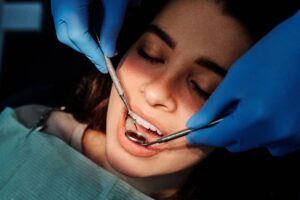
At Perfect Smile, the dentist begins by checking the teeth and gums before recommending a whitening plan. This is important because dental bleaching should be completed only after treating any active dental concerns such as:
- Cavities
- Gum inflammation
- Tooth sensitivity
- Exposed roots
- Cracked teeth
- Leaking fillings
- Pain or infection
Once your oral health is assessed, the dentist can recommend the most suitable whitening option for your needs.
Dental Bleaching Options at Perfect Smile
Different patients have different whitening goals, schedules, and levels of sensitivity. That is why a professional consultation is important before choosing the most suitable option.
In-Office Dental Bleaching
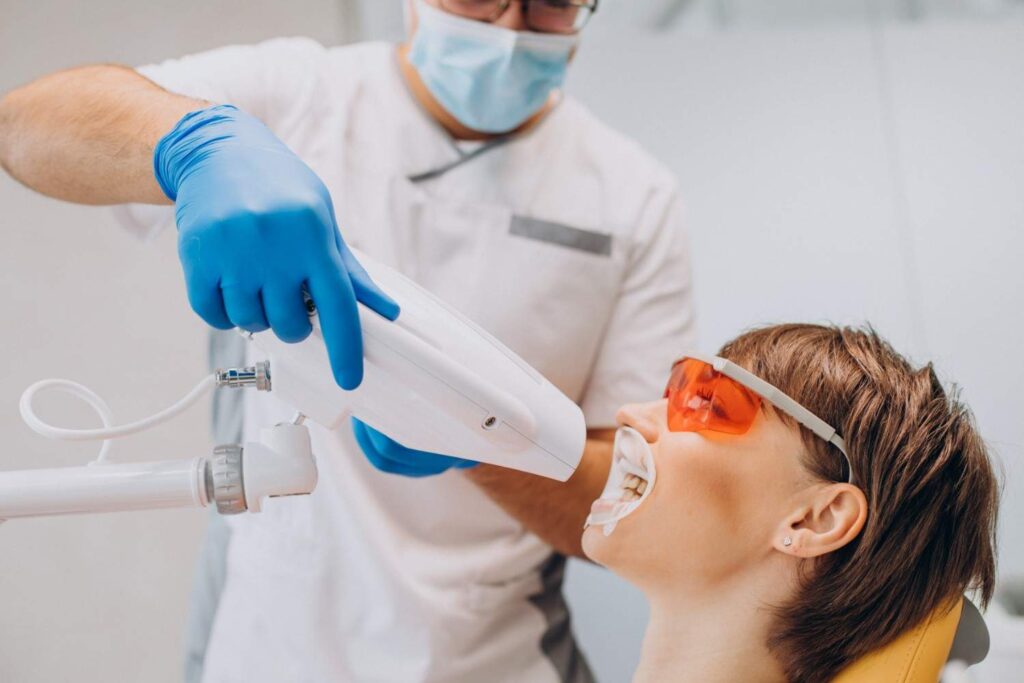
In-office dental bleaching is performed at the clinic under professional supervision. It is suitable for patients who want a more immediate improvement in tooth shade and prefer to complete treatment in a controlled dental environment.
This option may be suitable if you:
- Want noticeable results in a shorter time
- Have an upcoming occasion or event
- Prefer treatment under a dentist’s supervision
- Need guidance because of tooth sensitivity
- Want a professional evaluation before whitening
The dentist applies the whitening material carefully and monitors the treatment to ensure the teeth and gums remain protected throughout the session.
Custom At-Home Whitening Kits
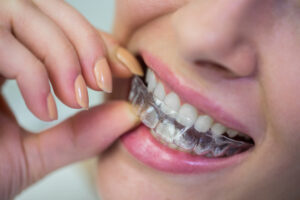
For patients who prefer a more gradual whitening process, custom at-home kits may be recommended. These usually involve professionally made trays designed to fit the teeth, along with whitening gel and clear instructions for use.
At-home bleaching of teeth may be suitable if you:
- Prefer to whiten gradually
- Want flexibility in your schedule
- Have mild to moderate staining
- Want to maintain an in-office whitening result
- Need a controlled option rather than using random over-the-counter products
Your dentist will explain how to use the trays correctly and how long to continue treatment based on your smile goals.
Dental Bleaching Before and After: What Results Can You Expect?
Dental bleaching can create a noticeable improvement in tooth shade, especially when the discolouration is related to food, drinks, smoking, or natural ageing. However, results are not identical for every patient.
The final result depends on:
- Your original tooth shade
- The cause of discolouration
- The whitening method used
- Your oral hygiene habits
- Smoking or frequent intake of staining drinks
- Whether you have crowns, veneers, bridges, or fillings
- Your individual response to bleaching treatment
The best result is not always an extremely white shade. A successful dental bleaching treatment should create a brighter smile that still looks healthy, balanced, and natural.
What Dental Bleaching Cannot Change
It is important to have realistic expectations before starting treatment. Dental bleaching works on natural teeth, but it does not whiten every material inside the mouth.
Dental bleaching does not change the colour of:
- Dental crowns and bridges
- Veneers
- Tooth-coloured fillings
- Composite bonding
- Dental implants or implant crowns
If you have visible restorations in the front teeth, your dentist may recommend bleaching your natural teeth first. After the new tooth shade is achieved, old fillings or restorations can be assessed to determine whether they need replacement to match the improved smile colour.
Is Dental Bleaching Safe?
Professional dental bleaching is generally considered safe when it is performed or supervised by a qualified dentist after a proper examination.
A dental assessment is important because whitening may not be suitable for everyone. Your dentist may recommend delaying treatment if you have:
- Active tooth decay
- Gum disease
- Severe sensitivity
- Tooth pain
- Cracks in the teeth
- Exposed roots
- Pregnancy or breastfeeding concerns that require medical advice
- Untreated dental infections
- Extensive visible restorations that will not match after whitening
The treatment should always be tailored to your oral health and cosmetic goals.
Does Dental Bleaching Cause Sensitivity?
Some patients may experience temporary sensitivity during or after dental bleaching. This may feel like a short, sharp sensation when drinking something cold or breathing in cool air.
Sensitivity is more likely if you already have:
- Sensitive teeth
- Gum recession
- Exposed roots
- Thin enamel
- Cracked teeth
- Frequent acid exposure from foods or drinks
Your dentist can adjust the whitening plan, recommend a gentler schedule, or suggest products that help reduce sensitivity when needed.
How Long Does Dental Bleaching Last?
The duration of whitening results depends on your lifestyle and daily habits. Some patients maintain a brighter smile for months, while others may need touch-up treatment sooner.
To help maintain the results of dental bleaching:
- Brush twice daily with fluoride toothpaste.
- Floss regularly to reduce plaque buildup between teeth.
- Limit smoking or tobacco use.
- Reduce frequent exposure to coffee, tea, dark sauces, and coloured drinks.
- Rinse your mouth with water after consuming staining beverages.
- Visit your dentist for regular cleaning and checkups.
- Ask your dentist whether a touch-up whitening plan is suitable for you.
What Should You Avoid After Dental Bleaching?
The first 24 to 48 hours after dental bleaching are especially important because teeth may be more likely to pick up new stains during this period.
Try to avoid or limit:
- Coffee
- Tea
- Smoking
- Dark soft drinks
- Red sauces
- Berries
- Dark chocolate
- Strongly coloured spices
- Coloured mouthwashes
You do not need to completely avoid these habits forever, but reducing them can help your whitening result last longer.
Dental Bleaching vs Teeth Cleaning: What Is the Difference?
Many patients confuse dental bleaching with professional cleaning, but they serve different purposes.
Professional Teeth Cleaning
A dental cleaning removes plaque, tartar, and external stains from the tooth surface. It is important for oral health and can make the teeth look cleaner, but it does not usually change the natural shade of the tooth.
Dental Bleaching
Dental bleaching is a cosmetic treatment that lightens the natural colour of the teeth. It is used when a patient wants to improve the overall shade of their smile beyond what cleaning alone can achieve.
In many cases, professional cleaning is recommended before bleaching to ensure the teeth are clean and the whitening result is more even.
When Might You Need an Alternative to Dental Bleaching?
Dental bleaching may not be the best solution for every type of discolouration. If a tooth has deep internal staining, a large old filling, a crown, major damage, or an irregular shape, another cosmetic treatment may be more appropriate.
Depending on your case, alternatives may include:
- Composite bonding
- Cosmetic fillings
- Veneers
- Dental crowns
- Internal whitening for a previously treated tooth
- Gum treatment
- Orthodontic treatment
- Smile design planning
Your dentist will recommend the least invasive option that can safely achieve the result you want.
Why Choose Perfect Smile for Dental Bleaching?
At Perfect Smile Dental Center, dental bleaching is not treated as a one-size-fits-all procedure. Your treatment begins with a professional evaluation to understand your tooth shade, oral health, existing restorations, and smile goals.
Our approach focuses on:
- Professional dental assessment before treatment
- Whitening plans tailored to your smile
- In-office whitening options
- Custom at-home whitening options
- Guidance for patients with sensitivity
- Natural-looking smile results
- Follow-up advice to maintain your new tooth shade
Perfect Smile offers dental care across its Heliopolis and Fifth Settlement branches, helping patients explore professional whitening options in a comfortable dental setting.
Book Your Dental Bleaching Consultation at Perfect Smile
If you are considering dental bleaching, the right first step is a consultation with a dentist who can assess your teeth and recommend the best option for your smile.
At Perfect Smile, we help you understand whether bleaching of teeth is suitable for your case, what result you can realistically expect, and how to maintain a brighter smile after treatment.
Book your consultation today at Perfect Smile and start your journey toward a cleaner, brighter, and more confident smile.
Frequently Asked Questions About Dental Bleaching
What is dental bleaching?
Dental bleaching is a cosmetic dental treatment that lightens the natural colour of teeth using professional whitening materials. It can help improve stains and discolouration caused by food, drinks, smoking, and ageing.
Is bleaching of teeth the same as teeth whitening?
Yes. Bleaching of teeth and teeth whitening are commonly used to describe treatments that lighten the natural colour of teeth. The dentist will recommend the most suitable method based on your oral health and whitening goals.
Does dental bleaching hurt?
Dental bleaching is usually comfortable, but some patients may experience temporary tooth sensitivity or mild gum irritation. Your dentist can adjust the treatment plan if sensitivity occurs.
Can dental bleaching whiten crowns or veneers?
No. Dental bleaching changes the shade of natural teeth only. Crowns, veneers, bridges, fillings, and bonding materials do not become lighter during whitening treatment.
How long does dental bleaching last?
Results vary depending on your natural tooth shade, lifestyle, oral hygiene, and exposure to staining foods or drinks. Some patients may need touch-up treatment to maintain their preferred tooth shade.
Can I whiten my teeth at home?
A dentist may recommend custom at-home whitening trays with professional whitening gel for gradual results. Using a dentist-guided method is safer and more predictable than choosing random whitening products without an examination.
Who is not suitable for dental bleaching?
Dental bleaching may need to be delayed or avoided if you have untreated cavities, gum disease, severe sensitivity, dental infections, or other oral health concerns. A dental consultation is needed to confirm whether whitening is suitable for you.