Tooth decay is one of the most common dental problems and can affect people of all ages. It develops when bacteria in dental plaque use sugars and starches from food and drinks to produce acids that gradually damage the tooth enamel. If this process continues, it can create a cavity and eventually reach the deeper layers of the tooth.
Early tooth decay may not cause noticeable symptoms, which is why regular dental examinations are important. When detected early, the decay process may sometimes be stopped or reversed before a permanent cavity forms. Once a cavity develops, however, professional dental treatment is usually needed.
Understanding the causes, warning signs, and available tooth decay treatment options can help you protect your teeth and seek care before the problem becomes more serious.
What Is Tooth Decay?
Tooth decay, also called dental caries, is the gradual breakdown of the hard tissues of a tooth. It begins when bacteria in plaque interact with sugars and starches in the foods and drinks you consume. The bacteria produce acids that remove minerals from the enamel.
Your saliva and fluoride help replace some of these lost minerals. However, when acid attacks happen frequently, and the tooth cannot recover sufficiently, the enamel becomes weaker. Eventually, a cavity or permanent hole can form.
Tooth decay can affect the enamel, dentin, and eventually the pulp, which contains the tooth’s nerves and blood vessels. The deeper the decay progresses, the more complex treatment may become.
What Are the Stages of Tooth Decay?
Tooth decay generally develops gradually:
- Demineralization: Minerals begin to leave the enamel, sometimes creating white or chalky spots.
- Enamel damage: Continued acid attacks weaken and break down the enamel.
- Dentin decay: Once decay reaches the dentin beneath the enamel, the tooth may become more sensitive.
- Pulp involvement: Advanced decay can reach the pulp, causing significant pain and inflammation.
- Infection or abscess: If untreated, infection can develop around the tooth and may lead to swelling, pain, and other complications.
The earliest stage can sometimes be reversed with fluoride and improved oral care. Once a true cavity forms, the damaged tooth structure cannot grow back and generally requires dental restoration.
What Causes Decaying Teeth?
The main cause of decaying teeth is the interaction between dental plaque, bacteria, and frequently consumed sugars or starches. When these bacteria use carbohydrates from food and drinks, they produce acids that attack the enamel.
Several factors can increase your risk, including:
- Poor or inconsistent brushing and interdental cleaning
- Frequent consumption of sugary foods and drinks
- Frequent snacking between meals
- Low fluoride exposure
- Dry mouth or reduced saliva flow
- Receding gums that expose tooth roots
- Braces or dental appliances that make cleaning more difficult
- Worn or damaged fillings
- Certain dietary or lifestyle factors
The frequency of sugar and carbohydrate exposure matters because repeated acid attacks give the teeth less opportunity to recover.
Common Signs and Symptoms of Tooth Decay and Cavities
Early tooth decay may not cause any symptoms. As the condition progresses, you may notice:
- Toothache or persistent dental pain
- Sensitivity to hot, cold, or sweet foods and drinks
- White, brown, or black spots on the tooth
- Visible holes or pits
- Pain when biting
- Bad breath or an unpleasant taste
- Swelling around the tooth or gums in advanced cases
Pain and swelling can indicate that the decay has progressed or that an infection has developed.
If you experience severe tooth pain, facial swelling, fever, or other signs of infection, seek dental care promptly.
Can a Decaying Tooth Be Saved?
In many cases, yes. Whether a decaying tooth can be saved depends on how far the decay has progressed and how much healthy tooth structure remains.
Very early decay may be managed with fluoride and preventive measures. A tooth with a cavity can often be restored with a filling, while more extensive damage may require a crown. If decay reaches the pulp, root canal treatment may allow the dentist to preserve the natural tooth.
Extraction is generally considered when the tooth is too severely damaged or infected to be predictably restored.
What Happens If Tooth Decay Is Left Untreated?
Tooth decay does not usually stop on its own once a permanent cavity has formed. As the decay progresses, it can move deeper into the tooth and eventually affect the pulp.
Untreated decay may result in:
- Increasing tooth sensitivity and pain
- Damage to the tooth structure
- Pulp inflammation or infection
- Dental abscess
- Facial or gum swelling
- Tooth loss
The earlier decay is detected, the more conservative the treatment may be.
Tooth Decay Treatment Options
The appropriate tooth decay treatment depends on the stage and severity of the decay.
For early lesions that have not developed into a cavity, a dentist may recommend fluoride treatment and changes to oral hygiene and diet. Once a cavity forms, restorative treatment is generally required. More advanced cases may need root canal treatment, a crown, or extraction.
How Does a Dentist Remove and Treat a Cavity?
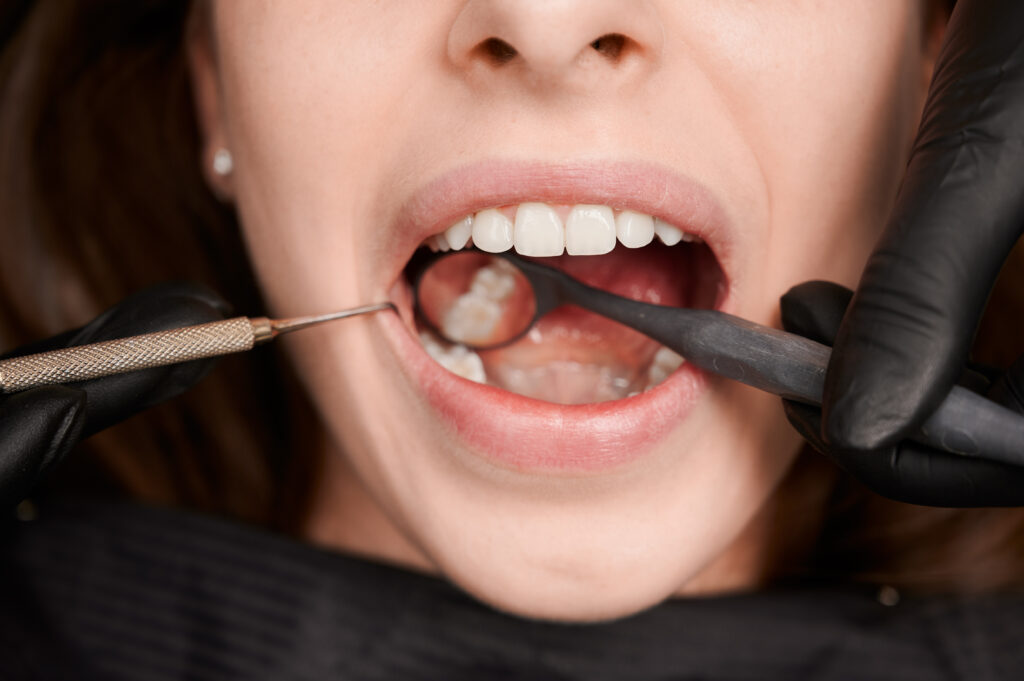
During a dental examination, your dentist evaluates the tooth and may use dental X-rays to identify decay that cannot be seen directly.
If a cavity requires restoration, the dentist removes the decayed tooth tissue and restores the affected area with an appropriate filling material. Modern treatment approaches aim to preserve as much healthy tooth structure as possible while effectively managing the decay. The ADA’s clinical guidance supports conservative approaches to caries removal when clinically appropriate.
Fillings, Crowns and Root Canal Treatment for Tooth Decay
Fillings:
Fillings are commonly used for cavities that have caused a manageable amount of damage. The dentist removes the decayed tissue and fills the space to restore the tooth’s function and structure.
Crowns:
A crown may be recommended when a tooth has significant structural damage and requires more protection than a filling can provide. Crowns cover and protect the remaining tooth structure.
Root canal treatment:
When decay reaches the pulp and causes inflammation or infection, root canal treatment may be needed. The dentist removes the affected pulp, cleans and treats the inside of the tooth, and then restores the tooth, often with a crown depending on its condition.
When Does a Decayed Tooth Need to Be Removed?
Dentists generally try to preserve a natural tooth whenever it can be restored successfully. However, extraction may become necessary when extensive decay or infection has destroyed too much of the tooth to support a predictable restoration.
If a tooth must be removed, your dentist can discuss replacement options such as a dental implant or bridge to help restore function and prevent unwanted changes to the bite.
How to Stop Tooth Decay and Prevent New Cavities
While an established cavity cannot usually be reversed at home, you can take effective steps to reduce your risk of developing new cavities and help control early tooth decay.
A good prevention routine includes:
- Brush your teeth twice daily with fluoride toothpaste.
- Clean your teeth regularly by using floss or interdental cleaners.
- Limit sugary foods and drinks, particularly frequent snacking.
- Choose balanced meals and reduce repeated exposure to sugar and starches.
- Maintain regular dental check-ups.
- Follow professional fluoride recommendations when appropriate.
- Address dry mouth or other factors that may increase your risk of decay.
Fluoride is particularly important because it helps strengthen enamel and can help stop or reverse early mineral loss.
Can Tooth Decay Be Treated at Home?
This is one of the most common questions people ask when searching for how to cure tooth decay.
The answer depends on the stage of the decay. Very early enamel changes may be stopped or reversed with fluoride, good oral hygiene, and dietary changes. However, once a cavity has formed, the lost tooth structure cannot be restored with home remedies. A dentist needs to assess the tooth and determine whether a filling, crown, root canal, or another treatment is required.
Home care should therefore support professional treatment and prevention, not replace a dental examination.
If you notice tooth sensitivity, pain, visible staining, or a hole in your tooth, schedule a dental examination rather than waiting for the symptoms to worsen. Early tooth decay treatment can often help protect the natural tooth and prevent more extensive treatment later.
Book your dental consultation with Perfect Smile Dental Center today and take the first step toward a healthier smile.
Frequently Asked Questions About Tooth Decay
How can I fix my tooth decay?
The right treatment depends on how advanced the decay is. Early decay may be managed with fluoride and preventive care, while an established cavity usually requires a filling. Deeper decay may require a crown or root canal treatment, and severely damaged teeth may need extraction.
What is the best treatment for tooth decay?
There is no single best treatment for every case. Treatment depends on the location and severity of the decay and how much healthy tooth structure remains. Early decay may respond to fluoride, while cavities are commonly treated with fillings. Advanced cases may require crowns or root canal treatment.
Can a decaying tooth be saved?
Often, yes. Early decay can sometimes be stopped before a cavity develops. Teeth with cavities may be restored with fillings, while severely damaged teeth may still be preserved with root canal treatment and a suitable restoration. Extraction is considered when the tooth cannot be predictably restored.
How do you permanently stop tooth decay?
No single treatment guarantees you will never develop tooth decay again. Long-term prevention requires consistent oral hygiene, fluoride exposure, limiting frequent sugar consumption, and regular dental examinations. Early detection is also important because treating decay before it becomes extensive can help preserve more of the natural tooth.
Sources and References
- National Institute of Dental and Craniofacial Research (NIDCR).
Tooth Decay.
https://www.nidcr.nih.gov/health-info/tooth-decay
- NHS.
Tooth Decay.
https://www.nhs.uk/conditions/tooth-decay/
- Centers for Disease Control and Prevention (CDC).
About Cavities (Tooth Decay).
https://www.cdc.gov/oral-health/about/cavities-tooth-decay.html
- American Dental Association – MouthHealthy.
Cavities.
https://www.mouthhealthy.org/all-topics-a-z/cavities