Gum Disease is an inflammatory condition affecting the gums and the tissues that support the teeth. It often begins with mild symptoms such as bleeding during brushing, redness, or swelling. Because early gum disease may cause little or no pain, many patients do not seek treatment until the condition has progressed.
When gum disease is identified early, professional cleaning and improved daily oral care may be enough to control the inflammation. However, advanced periodontitis can damage the bone and tissues holding the teeth in place, leading to gum recession, tooth mobility, difficulty chewing, and eventual tooth loss.
Understanding the different gum disease types, stages, symptoms, risk factors, and treatment options can help you recognise warning signs and seek dental care before permanent damage develops.
What Is Gum Disease?
Gum disease usually begins when dental plaque accumulates around the teeth and gum line. Plaque is a sticky bacterial biofilm that forms continuously on the teeth. If it is not removed through effective brushing and cleaning between the teeth, it can irritate the gums and eventually harden into tartar.
Tartar cannot be removed with a toothbrush alone and usually requires professional dental cleaning. Continued bacterial accumulation may cause inflammation to spread from the gum margin into the deeper tissues and bone supporting the teeth.
Gum disease is not the same as every type of gum infection. Periodontal disease may affect several teeth and develop gradually, while a gum abscess is usually a localised collection of infection that may cause sudden pain, swelling, or pus around one area.
Common Gum Disease Types
The two main gum disease types are gingivitis and periodontitis.
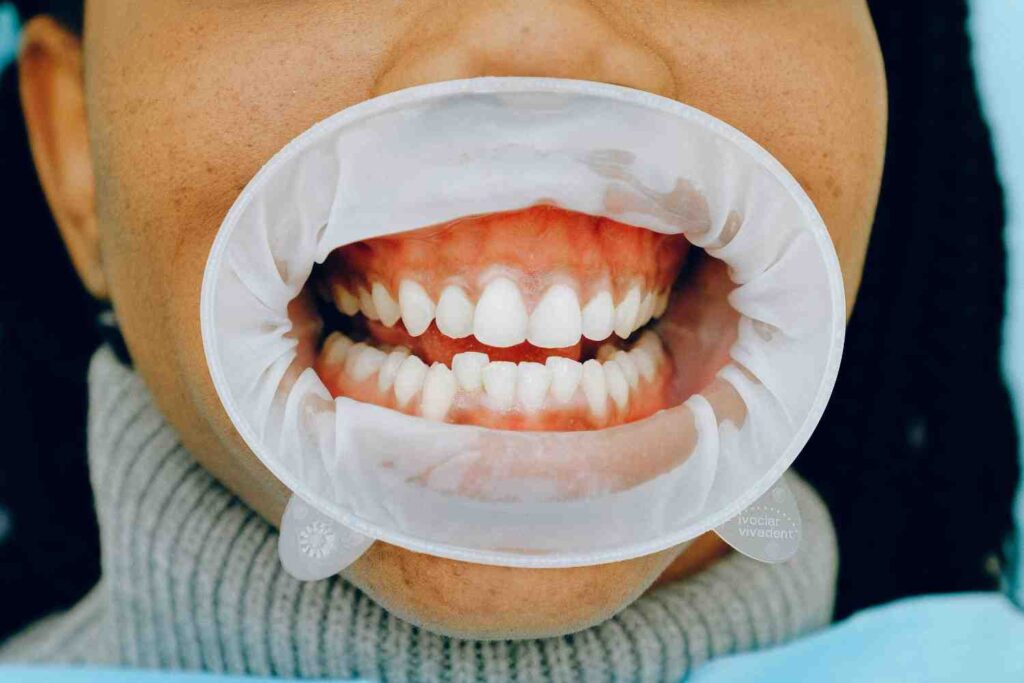
Gingivitis is the earliest form of gum disease. The gums may become red, swollen, tender, or bleed during brushing and flossing. At this stage, the supporting bone and periodontal attachment have not yet been permanently destroyed. With professional teeth cleaning and consistent oral hygiene, the gums may return to a healthier condition.
Periodontitis develops when inflammation extends deeper into the tissues supporting the teeth. The gums may begin to pull away from the teeth, forming periodontal pockets where bacteria in the mouth and tartar can collect. As the condition progresses, attachment and bone may be lost, and the teeth may become loose.
Other periodontal conditions include necrotising periodontal diseases and periodontitis associated with certain systemic conditions. These forms require professional diagnosis because their symptoms, progression, and management may differ.
Signs and Symptoms of Gum Disease
Early gum disease may be easy to overlook. Bleeding during brushing is sometimes considered normal, but repeated bleeding can be a sign that the gums are inflamed.
Common symptoms include:
- Red, swollen, or tender gums.
- Bleeding while brushing, flossing, or eating hard foods.
- Persistent bad breath or an unpleasant taste.
- Gum recession or teeth appearing longer.
- Sensitivity around exposed tooth roots.
- Pain or discomfort while chewing.
- Pus between the teeth and gums.
- Changes in the spaces between teeth.
- Loose or shifting teeth.
- Changes in the way the upper and lower teeth meet.
The severity of symptoms does not always reflect the severity of the condition. Some patients with significant periodontal damage may experience limited pain, which is why regular dental examinations are important.
Are White Spots on the Gums a Sign of Gum Disease?
People searching for gum disease white spots may assume that every white area is caused by gingivitis or periodontitis. However, white spots are not considered a classic symptom of common plaque-related gum disease.
A white area may be associated with irritation, an ulcer, a fungal infection such as oral thrush, or another condition affecting the oral tissues. In patients with diabetes, for example, oral thrush may produce painful white patches, particularly when blood glucose is not well controlled.
A white spot should be examined when it:
- Persists for more than two weeks.
- Becomes painful or size increases.
- Bleeds repeatedly.
- Appears with swelling, pus, or a bad taste.
- Makes eating or swallowing difficult.
- Returns frequently.
The appearance of a white patch alone is not enough to diagnose its cause, so persistent changes should be assessed by a dentist.
When Is a Gum Infection Serious?
A gum infection may require urgent care when it causes rapidly increasing swelling, severe pain, pus, facial swelling, fever, loose teeth, difficulty opening the mouth, or problems swallowing or breathing.
These symptoms may suggest that the infection is spreading beyond the original area. Patients with poorly controlled diabetes or reduced immunity may also have a higher risk of delayed healing or more severe infection.
A localised swelling that reduces after a few days should not automatically be considered healed. The source of the infection may remain even when pain temporarily decreases.
What Are the Stages of Gum Disease?
Gingivitis is usually considered the early inflammatory condition that occurs before periodontitis. Once periodontitis develops, dentists may classify it from Stage I to Stage IV.
The current classification system considers the severity of attachment and bone loss, the number of teeth affected, previous tooth loss related to periodontitis, and the complexity of managing the condition. Grading may also be used to estimate the likelihood and rate of future progression.
Gum Disease Stage 1 and Stage 2
Gum disease stage 1, more accurately called Stage I periodontitis, represents early periodontal damage. The disease has progressed beyond gingivitis, but attachment and bone loss remain relatively limited. Symptoms may include bleeding, mild recession, and shallow periodontal pockets.
Gum disease stage 2, or Stage II periodontitis, involves moderate damage to the supporting tissues. Periodontal pockets may become deeper, and bone loss may be more noticeable on dental X-rays. Patients may experience persistent bleeding, bad breath, teeth sensitivity, or visible gum recession.
Treatment at these stages commonly focuses on controlling plaque and tartar beneath the gum line, improving home care, and reducing risk factors such as smoking or poor diabetes control. Regular periodontal maintenance is essential because treated periodontitis can return if bacterial deposits accumulate again.
What Happens in Stage 3 and Stage 4 Gum Disease?
Stage III periodontitis involves severe damage to the supporting tissues and bone. Teeth may become mobile, periodontal pockets may be deep, and there may be an increased risk of tooth loss. The condition can also become more difficult to treat because of factors such as defects in the bone or involvement between the roots of multi-rooted teeth.
Stage IV is the most advanced stage. In addition to severe attachment and bone loss, patients may experience significant tooth mobility, bite changes, difficulty chewing, tooth migration, or the loss of several teeth. The distinction between Stage III and Stage IV depends not only on the amount of damage but also on the complexity of restoring normal function.
The term “Stage 4 gum infection” is sometimes used online, but the correct clinical term is Stage IV periodontitis. It refers to advanced periodontal destruction rather than a temporary gum infection.
What Causes Gum Disease?
The primary local cause of gum disease is the accumulation of bacterial plaque around the teeth and gums. However, several factors can increase the risk of developing periodontitis or make it progress more rapidly.
These include:
- Inadequate brushing or interdental cleaning.
- Smoking and other tobacco use.
- Irregular professional dental cleaning.
- Diabetes, particularly when blood glucose is poorly controlled.
- Genetic susceptibility.
- Certain medications or medical conditions.
- Hormonal changes.
- Reduced immune function.
- Poorly fitting crowns or restorations that retain plaque.
- Crowded teeth that are difficult to clean.
- Dry mouth.
Smoking is considered one of the most significant modifiable risk factors for periodontal disease and may also reduce the success of treatment.
Gum Disease and Diabetes
The relationship between gum disease and diabetes is especially important. People with diabetes have a greater chance of developing periodontal disease, and poorly controlled blood glucose may be associated with more severe gum inflammation, slower healing, and a less predictable response to treatment.
Periodontal inflammation may also make blood glucose more difficult to control. This relationship does not mean that one condition always directly causes the other, but diabetes and periodontitis can negatively influence each other.
Patients with diabetes should tell their dentist about:
- Their diagnosis and current medication.
- Recent blood-glucose control.
- Any history of delayed healing.
- Dry mouth or oral thrush.
- Repeated gum swelling or bleeding.
Good blood-glucose control, daily oral hygiene, smoking cessation, and routine dental care are important parts of protecting gum health in patients with diabetes.
How Do Dentists Treat Gum Disease?
Treatment depends on the type and stage of gum disease, the depth of the periodontal pockets, the amount of bone loss, the patient’s general health, and how well plaque can be controlled at home.
A periodontal assessment may include:
- Examining the colour and condition of the gums.
- Checking for bleeding and inflammation.
- Measuring the pockets around the teeth.
- Assessing gum recession and tooth mobility.
- Reviewing medical history and risk factors.
- Taking dental X-rays to evaluate bone levels.
Healthy periodontal pockets are usually shallow. Deeper pockets may indicate that the attachment between the gum and tooth has been damaged.
Can a Gum Infection Heal by Itself?
A gum infection should not be expected to heal permanently without treating the underlying cause.
Mild gingivitis may improve when plaque and tartar are removed, and effective oral hygiene is maintained. However, periodontitis does not reverse through brushing alone, and lost periodontal support does not simply return without professional care.
Similarly, an abscess may drain or become less painful, but the source of infection can remain. Home remedies may temporarily reduce discomfort, but they cannot remove deep tartar, clean periodontal pockets, drain an abscess safely, or treat an infected tooth.
Treatment Options for Gum Disease and Gum Infection
Depending on the diagnosis, treatment may include:
Professional cleaning: Scaling and polishing remove plaque and tartar from the teeth and around the gum line.
Scaling and root planing: This deeper cleaning removes bacterial deposits beneath the gums and smooths affected root surfaces. The ADA identifies scaling and root planing as a central non-surgical treatment for periodontitis.
Oral-hygiene guidance: Patients may receive personalised instructions on brushing, flossing, interdental brushes, or water flossers.
Management of contributing factors: Treatment may include improving diabetes control, stopping smoking, addressing dry mouth, or correcting restorations that trap plaque.
Periodontal surgery: Advanced cases may require flap surgery, pocket-reduction procedures, bone grafting, or other regenerative treatments.
Treatment of a local infection: A gum or dental abscess may need drainage, root canal treatment, periodontal treatment, or tooth removal, depending on its source.
Antibiotics: Antibiotics are used only in selected cases. They do not replace professional cleaning, drainage, or treatment of the underlying cause.
After active periodontal treatment, ongoing maintenance appointments are important because patients who have experienced periodontitis remain at risk of recurrence.
How to Prevent Gum Disease from Getting Worse
Daily plaque control and regular professional care can reduce the risk of gum disease progression.
Helpful measures include:
- Brush twice a day using fluoride toothpaste.
- Clean between the teeth every day.
- Use interdental brushes or floss as recommended.
- Avoid brushing aggressively along the gum line.
- Attend regular dental examinations and professional cleaning.
- Stop smoking and avoid tobacco.
- Keep diabetes under medical control.
- Report repeated bleeding, swelling, or gum recession early.
- Follow the maintenance schedule recommended by your dentist.
Do not stop cleaning an area because it bleeds. Gentle and effective plaque removal is usually necessary, although persistent bleeding should be assessed professionally.
Gum Disease Assessment and Treatment at Perfect Smile
Perfect Smile provides gum treatment and assessment at its Heliopolis and Fifth Settlement branches. Available care includes professional cleaning, root planing, preventive guidance, and surgical periodontal options for selected advanced conditions. The appropriate treatment is chosen according to the health of the gums, the amount of periodontal damage, and the patient’s individual needs.
Book a dental examination when you notice frequent gum bleeding, swelling, recession, persistent bad breath, pus, pain, or tooth mobility. Early evaluation can help control inflammation before more extensive damage develops.
Frequently Asked Questions About Gum Disease
How do I get rid of an infection in my gums?
Treatment depends on the cause. You may need professional cleaning, scaling and root planing, drainage of an abscess, root canal treatment, or periodontal surgery. Antibiotics may be prescribed in selected cases but should not be used without professional evaluation.
Is a gum infection serious?
It can be. Untreated infection may damage the tissues and bone supporting the teeth or develop into an abscess. Seek urgent care for fever, facial swelling, severe pain, difficulty swallowing, or breathing problems.
Will a dental infection go away on its own?
A dental infection may temporarily become less painful, but the source usually remains. Professional treatment is needed to clean, drain, restore, or remove the affected tissue or tooth.
Sources and References
- Mayo Clinic.
Periodontitis: Symptoms and Causes.
https://www.mayoclinic.org/diseases-conditions/periodontitis/symptoms-causes/syc-20354473
- National Health Service (NHS).
Gum Disease: Symptoms, Treatment and Prevention.
https://www.nhs.uk/conditions/gum-disease/
- American Dental Association (ADA).
Periodontitis: Risk Factors, Diagnosis and Treatment.
https://www.ada.org/resources/ada-library/oral-health-topics/periodontitis
- National Institute of Dental and Craniofacial Research (NIDCR).
Periodontal Gum Disease: Causes, Symptoms and Treatment.
https://www.nidcr.nih.gov/health-info/gum-disease