Clear aligners have become an increasingly popular option for people who want straighter teeth without the appearance and daily experience of traditional metal braces. These transparent, removable trays gradually move the teeth into planned positions while allowing patients to remove them for meals, brushing, and flossing.
However, clear aligners are not simply a cosmetic alternative to braces. They are an orthodontic treatment that requires proper diagnosis, treatment planning, regular monitoring, and consistent wear.
Whether you are considering orthodontic treatment for the first time or wondering about clear aligners after braces, understanding how the treatment works can help you know what to expect before visiting your orthodontist.
What Are Clear Aligners and How Do They Work?
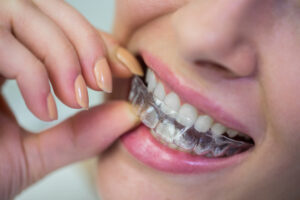
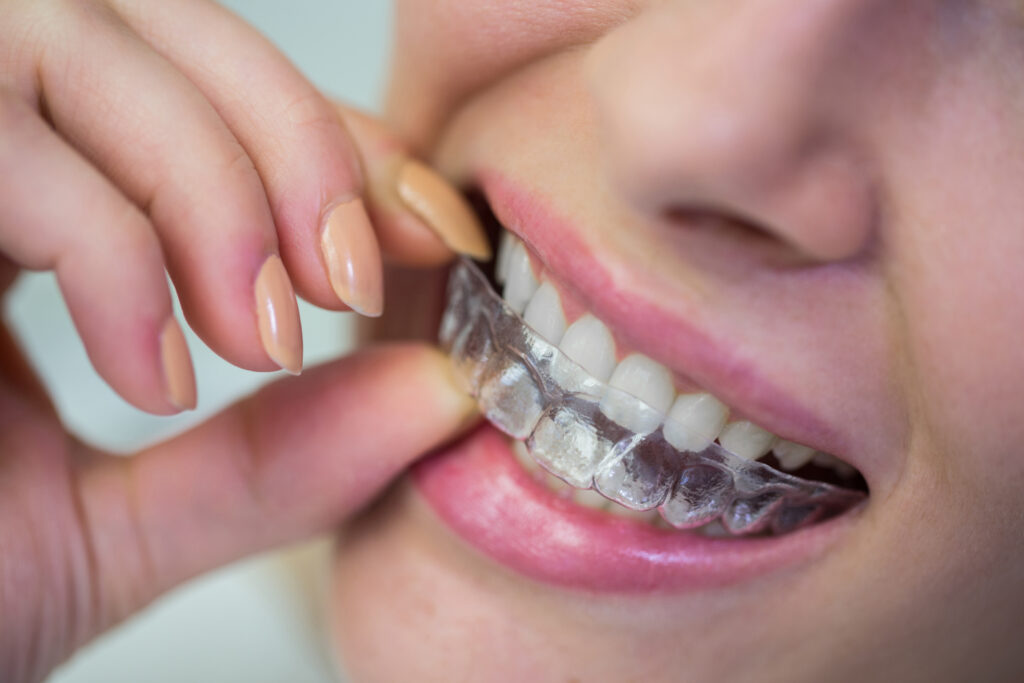
Clear aligners are custom-made transparent trays designed to gradually move teeth into improved positions.
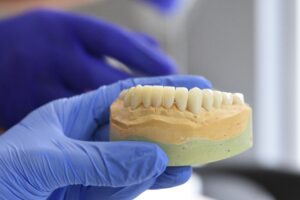
Treatment usually begins with an orthodontic examination and records of your teeth and bite. Depending on the treatment system, digital scans or impressions can be used to create a digital model and plan the movements required during treatment.
Instead of using brackets and wires, patients receive a sequence of aligners. Each set applies controlled pressure to selected teeth before the patient progresses to the next set according to the orthodontist’s instructions.
Clear aligners are generally removed for eating, drinking anything other than water, brushing, and flossing.
Most clear-aligner systems require consistent daily wear. Invisalign, for example, advises approximately 20–22 hours of wear each day.
The treatment should still be professionally supervised because tooth movement needs to be planned according to the position of the teeth, roots, jaw relationship, and overall oral health.
Do Clear Aligners Really Work?
Yes. Clear aligners can successfully move teeth when they are used for an appropriate orthodontic case and the patient follows the prescribed treatment plan.
Their effectiveness depends on several factors, including:
The type of orthodontic problem, complexity of tooth movement, treatment planning, patient compliance, and how consistently the aligners are worn.
Modern clear-aligner systems may also use small tooth-colored attachments placed on selected teeth to help the aligners control certain movements more effectively.
Clear aligners should therefore not be viewed as a universal replacement for braces. Some cases may be particularly suitable for aligners, while others may benefit more from conventional braces or another orthodontic approach.
Can Clear Aligners Fix Crooked Teeth?
Clear aligners can correct many cases of crooked or crowded teeth.
They may be used to treat problems such as mild or moderate crowding, gaps between teeth, certain rotations, and selected bite problems.
For more complicated cases involving significant crowding, difficult tooth movements, major bite discrepancies, or other orthodontic concerns, the orthodontist may recommend braces or a more comprehensive treatment approach.
Invisalign, for example, identifies dental crowding as one of the conditions that can potentially be treated using clear aligners, although treatment suitability must be assessed individually.
Who Is a Good Candidate for Clear Aligners Orthodontics?
Good candidates for clear aligners orthodontics are generally patients whose dental and orthodontic conditions can be predictably managed using removable aligners.
Candidates may include people experiencing:
Mild to moderate tooth crowding, unwanted spaces between teeth, crooked teeth, minor tooth rotations, or selected bite problems.
Patient commitment is also important.
Because the trays can be removed, the success of treatment depends partly on wearing them for the recommended number of hours every day. Someone who frequently removes the aligners or forgets to wear them may experience slower progress or less predictable results.
Before recommending aligners, the dentist or orthodontist should also evaluate oral health. Problems such as untreated tooth decay or active gum disease may need to be managed before orthodontic tooth movement begins.
The most reliable way to know whether you are a suitable candidate is therefore an orthodontic examination rather than choosing treatment based only on how your teeth appear.
Clear Aligners vs Braces: Which Is Better?
Both clear aligners and braces are established methods of moving teeth, but they offer different treatment experiences.
Clear aligners are removable and much less noticeable during everyday activities. Patients can take them out during meals and can generally brush and floss without brackets or wires getting in the way.
Traditional braces remain fixed to the teeth throughout treatment. This eliminates the problem of patients forgetting to wear their appliance and can give the orthodontist greater control in certain complex cases.
Braces can also treat a wide range of dental misalignments, including cases where more complicated tooth movements may be required.
The appropriate option therefore depends on factors such as:
Your orthodontic condition, required tooth movements, lifestyle, age, treatment objectives, ability to follow aligner instructions, and your orthodontist’s assessment.
Neither option should automatically be considered better for every patient.
Are Clear Aligners as Good as Invisalign?
Invisalign is actually a brand of clear aligner treatment, rather than a different category of orthodontic treatment.
The term “clear aligners” describes the broader type of removable transparent orthodontic appliance, while Invisalign is one particular clear-aligner system.
Different aligner systems may use different materials, treatment-planning software, manufacturing processes, attachments, and clinical protocols.
Invisalign uses proprietary technologies including SmartTrack material, ClinCheck treatment-planning software, and compatible digital scanning technologies.
However, the brand of aligner is only one part of treatment. Proper diagnosis, case selection, treatment planning, monitoring, and patient compliance are also important factors affecting the final result.
What Are the Disadvantages of Clear Aligners?
Although clear aligners offer several advantages, they also have limitations.
The most significant is that they require patient discipline. Because the trays are removable, they only work effectively when worn for the recommended amount of time.
Patients may also experience temporary pressure or discomfort when beginning a new aligner.
Aligners need to be removed before most meals and drinks, and the teeth should ideally be cleaned before the trays are reinserted. This can require more planning when eating away from home.
Attachments may also be required on certain teeth. Although usually tooth-colored, they can make the aligners slightly more visible.
Additionally, clear aligners may not be the ideal treatment for every complex orthodontic problem.
An orthodontic assessment is therefore important before deciding between aligners and braces.
How Long Does Clear Aligner Treatment Take?
There is no single treatment duration that applies to every patient.
Clear aligner treatment may take several months for relatively minor corrections, while more comprehensive orthodontic cases may require a year or longer.
For Invisalign treatment, the company notes that treatment duration depends on case complexity and that some patients may begin noticing changes within several months.
Treatment time is affected by:
The amount of tooth movement required, complexity of the case, number of aligners, how well the teeth respond, whether refinements are necessary, and how consistently the patient wears the trays.
During the initial assessment, your orthodontist can provide a more realistic estimate after examining your teeth and planning the required movements.
Clear Aligners After Braces: When Are They Needed?
Some patients consider clear aligners after braces if their teeth move again following previous orthodontic treatment.
Teeth naturally have a tendency to shift after orthodontic treatment, which is why retainers play an important role in maintaining the new tooth positions.
If someone stops wearing their retainer or experiences orthodontic relapse over time, minor crowding, spacing, or movement may develop.
For relatively limited relapse, clear aligners may sometimes be used to move the teeth back toward their intended positions.
More significant relapse may require a more comprehensive orthodontic treatment plan.
It is important to distinguish between aligners and retainers.
Aligners are designed to actively move teeth. Retainers are generally used after active orthodontic treatment to maintain the positions that have already been achieved.
How Long Should You Wear Aligners After Braces?
If an orthodontist prescribes clear aligners after previous braces because the teeth have shifted, the duration depends on how much correction is required.
Minor movements may require a relatively short course of treatment, while greater relapse can take longer.
Once active correction is completed, patients generally move to a retention phase.
Your orthodontist will determine how frequently and how long the retainer should be worn based on your individual case.
Patients who previously experienced orthodontic relapse should be particularly careful about following their retention instructions after treatment.
How Much Do Clear Aligners Cost in Egypt?
The cost of clear aligners in Egypt varies considerably because not every patient requires the same number of aligners or level of treatment.
Factors affecting the price may include:
Case complexity, number of aligners required, type or brand of clear aligner system, orthodontist’s treatment plan, digital scans and diagnostic records, treatment duration, refinements, follow-up appointments, and whether retainers are included.
Current published Egyptian clinic prices demonstrate how wide this range can be. Some clinics list clear-aligner treatment from approximately EGP 45,000–60,000, while more comprehensive or branded treatment packages may be considerably higher.
Because orthodontic treatment is highly individual, patients should avoid selecting treatment based only on an advertised starting price.
A clinical examination allows the orthodontist to determine the complexity of the case and provide a treatment plan with a more accurate cost.
What Results Can You Expect from Clear Aligners?
The objective of clear aligner treatment is to move teeth toward healthier and more desirable positions according to an orthodontic treatment plan.
Depending on the patient’s original condition, potential improvements may include straighter teeth, reduced crowding, closure of unwanted spaces, improved tooth positioning, and correction of certain bite problems.
However, results vary from person to person.
Successful treatment depends not only on the aligners themselves but also on accurate planning, regular professional monitoring, oral health, and patient compliance.
Some patients may also require additional aligners known as refinements toward the end of treatment to achieve the planned result.
After treatment, retainers are important for helping maintain the new tooth positions.
At Perfect Smile Dental Center, orthodontic treatment includes options such as traditional braces and clear aligners. An orthodontic examination can help determine which approach is appropriate for your teeth, bite, and treatment goals.
Perfect Smile provides orthodontic care through its Perfect Smile branches in Heliopolis and its branch in Fifth Settlement, allowing patients to discuss available treatment options directly with the orthodontic team.
Frequently Asked Questions About Clear Aligners
Can You Eat and Drink While Wearing Clear Aligners?
Clear aligners should generally be removed when eating.
Water can usually be consumed while wearing them, but other drinks may stain the trays or expose the teeth to sugars and acids trapped beneath the aligners.
After eating, clean your teeth before placing the aligners back whenever possible.
One of the advantages of removable aligners is that patients do not normally face the same food restrictions associated with fixed braces.
Can You Kiss While Wearing Invisible Aligners?
Yes.
Clear aligners are designed to fit closely around the teeth, so normal everyday activities, including kissing, can generally continue while wearing them.
If you prefer, the aligners are removable, but frequent or prolonged removal can reduce the number of hours they are worn each day and may interfere with the treatment schedule.
How Many Hours a Day Should You Wear Clear Aligners?
Most clear-aligner treatment plans require patients to wear their trays for the majority of the day.
Invisalign recommends approximately 20–22 hours per day, removing the aligners mainly for eating, drinking, brushing, and flossing.
Your orthodontist’s specific instructions should always take priority because treatment protocols can differ between cases and aligner systems.
Consistent wear is one of the most important factors in keeping clear aligner treatment on schedule.
Sources & References
- What Are Clear Aligners and How Do They Work? / Who Is a Good Candidate for Clear Aligners Orthodontics?
American Association of Orthodontists – Clear Aligners
https://aaoinfo.org/treatments/clear-aligners/
- Do Clear Aligners Really Work? / Can Clear Aligners Fix Crooked Teeth? / What Results Can You Expect from Clear Aligners?
Invisalign – Treatable Cases and Clear Aligner Treatment
https://www.invisalign.com/resources/treatable-cases
- Clear Aligners vs Braces: Which Is Better? / Are Clear Aligners as Good as Invisalign?
Invisalign – Invisalign vs Braces
https://www.invisalign.com/resources/braces/invisalign-treatment-vs-braces
- Clear Aligners After Braces: When Are They Needed? / How Long Should You Wear Aligners After Braces?
American Association of Orthodontists – Retainers
https://aaoinfo.org/treatments/retainers/