Waking up with a sticky mouth, needing water while speaking, or struggling to swallow dry food may be signs of xerostomia. Occasional dryness can happen because of dehydration, anxiety, or sleeping with the mouth open. However, persistent dry mouth deserves attention because saliva plays an important role in protecting the teeth, gums, tongue, and other oral tissues.
Xerostomia is not a disease by itself. It is a symptom that may be linked to medication, mouth breathing, dehydration, salivary gland problems, cancer treatment, diabetes, autoimmune conditions, or other factors. The correct dry mouth treatment therefore depends on identifying the underlying cause rather than simply drinking more water.
What Is Xerostomia and Dry Mouth?
Xerostomia describes the feeling that the mouth is unusually dry or does not contain enough saliva. The sensation may be mild and temporary, or persistent enough to interfere with eating, swallowing, sleeping, and speaking.
Some people have genuinely reduced saliva production, while others experience oral dryness even when salivary flow is within the expected range. For this reason, a dentist may need to assess both the patient’s symptoms and the function of the salivary glands.
Xerostomia Meaning: What Does Dry Mouth Mean?
The basic xerostomia meaning is the subjective sensation of oral dryness. Patients may describe it as:
- A dry, sticky, or rough feeling.
- Thick or stringy saliva.
- A need to sip water frequently.
- The tongue sticking to the roof of the mouth.
- Difficulty swallowing crackers, bread, or other dry foods.
- Burning or soreness inside the mouth.
The clinical term for measurably reduced saliva production is hyposalivation. Xerostomia and hyposalivation often occur together, but they are not the same.
Is Xerostomia the Same as Dry Mouth?
In everyday use, xerostomia and dry mouth usually refer to the same complaint. Clinically, however, xerostomia describes how the patient feels, while hyposalivation describes an objectively reduced amount of saliva.
This distinction matters because a person may feel dry even when saliva production appears normal. In other cases, a patient may have reduced saliva without initially recognising the symptoms.
Why Is Saliva Important for Oral Health?
Saliva does much more than keep the mouth comfortable. It helps:
- Moisten food and support swallowing.
- Wash food particles from the teeth and gums.
- Neutralise acids inside the mouth.
- Supply minerals that help protect tooth enamel.
- Control some harmful microorganisms.
- Support speech and taste.
- Lubricate dentures and oral tissues.
When saliva becomes insufficient, patients may develop discomfort, rapid tooth decay, gum problems, oral infections, mouth sores and difficulty eating.
Xerostomia and Dry Mouth Symptoms
The severity of dry mouth symptoms varies. Some patients notice only mild thirst, while others experience significant changes in eating, taste and oral health.
Common Dry Mouth Symptoms You Should Not Ignore
Common symptoms include:
- A persistent dry or sticky mouth.
- Thick, foamy, or stringy saliva.
- Increased thirst.
- Dry or cracked lips.
- A rough, red, burning, or fissured tongue.
- Bad breath.
- Changes in taste.
- Mouth sores.
- Difficulty speaking for long periods.
- Problems chewing or swallowing.
- Food sticking to the teeth or palate.
- Difficulty wearing dentures comfortably.
- Repeated oral thrush or other mouth infections.
A dry throat, hoarseness, or frequent need to clear the throat may also occur, especially when dryness is combined with mouth breathing.
Dry Mouth in the Morning: Why Does It Happen?
Dry mouth in the morning commonly occurs because saliva production naturally decreases during sleep. Symptoms may become worse if a person:
- Sleeps with the mouth open.
- Snores.
- Has a blocked nose.
- Is dehydrated.
- Drinks alcohol before sleeping.
- Smokes.
- Takes medication that causes oral dryness.
- Sleeps in a very dry room.
Morning dryness that improves quickly after drinking water may be temporary. Frequent symptoms, loud snoring, disturbed sleep, or persistent daytime dryness should be evaluated.
Can Xerostomia Cause Bad Breath, Tooth Decay, or Gum Problems?
Yes. Saliva helps remove food particles and control the oral environment. When the mouth remains dry, plaque may accumulate more easily, acids remain in contact with the teeth for longer, and bacteria or fungi may become harder to control.
As a result, persistent xerostomia may contribute to:
- Bad breath.
- Tooth decay, particularly around the gum line.
- Demineralisation and tooth sensitivity.
- Gingivitis and periodontal problems.
- Oral thrush.
- Mouth ulcers and cracked lips.
If what you’re experiencing sounds familiar, early diagnosis can save you time, discomfort, and more complex procedures.
- Accurate diagnosis by dental specialists
- Advanced technology and modern equipment
- Personalized treatment plans
لو الأعراض اللي بتقرأ عنها حاسس إنها شبه اللي بتمر بيه، التشخيص المبكر بيوفر عليك وقت، تعب، وإجراءات أكبر ممكن تحتاجها بعد كده.
- تشخيص دقيق على يد أطباء متخصصين
- أحدث الأجهزة والتقنيات
- خطة علاج مناسبة لكل حالة
Xerostomia Causes and Dry Mouth Reasons
There are many possible xerostomia causes, and more than one factor may affect the same patient.
Dehydration and Dry Mouth
Dehydration is one of the most common temporary dry mouth reasons. It may result from:
- Not drinking enough fluids.
- Excessive sweating.
- Vomiting or diarrhoea.
- Fever.
- Intense exercise.
- Hot weather.
Dryness caused only by dehydration often improves after fluid levels are restored. Persistent symptoms despite adequate hydration may have another cause.
Medications That Can Cause Xerostomia and Dry Mouth
Medication is a frequent cause of persistent dry mouth. Many prescription and non-prescription medicines list oral dryness as a possible side effect, including some treatments used for:
- Depression or anxiety.
- High blood pressure.
- Allergies.
- Nasal congestion.
- Pain.
- Overactive bladder.
- Muscle spasms.
- Seizures.
- Sleep problems.
The risk may be greater when a patient takes several medications.
Do not stop a prescribed medicine because of dry mouth without speaking to the prescribing clinician. A doctor may be able to review the dose, timing, or possible alternatives safely.
Mouth Breathing and Dry Mouth in the Morning
Sleeping with the mouth open allows moisture to evaporate from oral tissues. This may occur because of snoring, nasal congestion, allergies, sleep habits, or a possible sleep-related breathing condition.
Patients who wake with dry mouth regularly should mention symptoms such as loud snoring, morning headaches, daytime tiredness, or interrupted sleep to their doctor.
Lifestyle Factors That Can Worsen Dry Mouth
Some daily habits may worsen dryness or oral irritation, including:
- Smoking or chewing tobacco.
- Frequent alcohol consumption.
- Heavy caffeine intake.
- Sugary or acidic drinks.
- Alcohol-containing mouthwash.
- Frequent salty or spicy foods.
These factors may not be the only cause, but reducing them can make symptoms easier to manage.
Diabetes, Autoimmune Conditions, and Xerostomia Causes
Persistent xerostomia may occur with certain medical conditions, including diabetes and Sjögren disease. Sjögren disease is an autoimmune condition that can affect the salivary and tear glands, often causing both dry mouth and dry eyes.
Dry mouth may also occur during or after chemotherapy, immunotherapy, or radiation treatment involving the head and neck. These treatments can alter saliva or damage salivary gland function.
Patients with persistent dryness accompanied by frequent urination, unexplained thirst, dry eyes, joint symptoms, or other systemic changes may need medical evaluation.
Salivary Gland Problems and Persistent Dry Mouth
Salivary gland stones, infections, swelling, nerve damage, previous surgery, or injury may affect saliva production.
Possible signs of a gland-related problem include:
- Swelling under the jaw or near the ear.
- Pain that becomes worse during meals.
- A bad taste or discharge inside the mouth.
- Dryness affecting one area more than another.
- Recurrent salivary gland infections.
How Is Xerostomia and Dry Mouth Diagnosed?
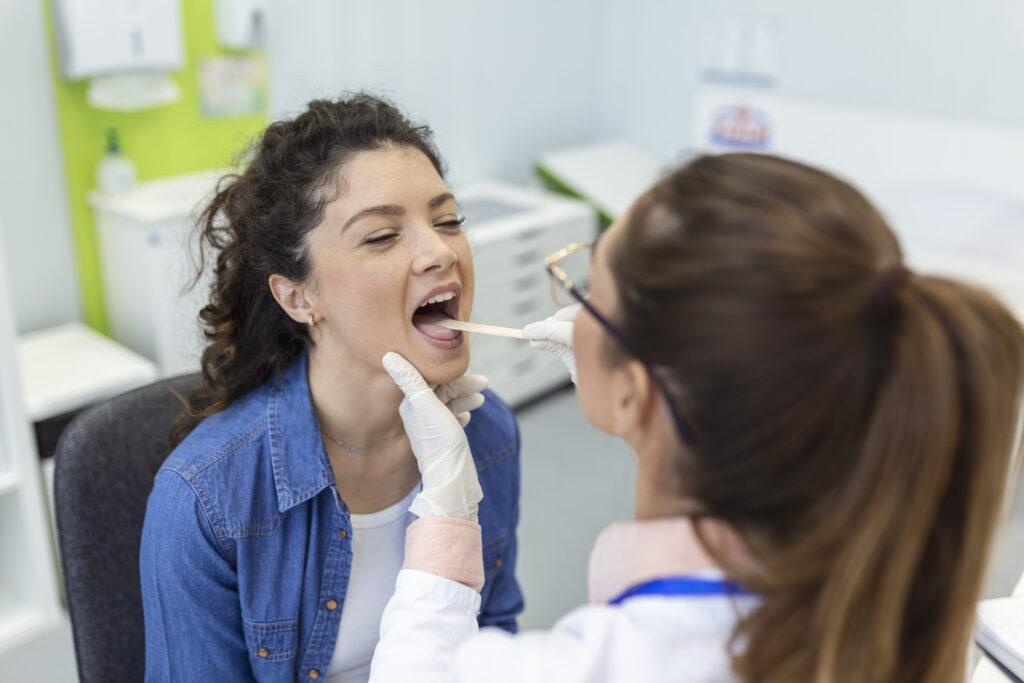
Diagnosis begins with understanding when the symptoms started, whether they occur throughout the day or mainly at night, and whether they appeared after starting a medication or medical treatment.
Dental Examination for Dry Mouth and Xerostomia
During a dental assessment, the dentist may check for:
- Dry, sticky, or fragile oral tissues.
- Reduced pooling of saliva under the tongue.
- Thick or foamy saliva.
- A dry or fissured tongue.
- Cavities near the gum line or tooth roots.
- Gum inflammation.
- Oral thrush.
- Mouth sores.
- Denture irritation.
- Swelling around the salivary glands.
Reviewing Medications and Medical History
Patients should bring a complete list of:
- Prescription medication.
- Non-prescription medication.
- Vitamins and supplements.
- Inhalers.
- Recent cancer treatments.
- Existing medical conditions.
The dentist may coordinate with the patient’s doctor when medication or a systemic condition may be contributing to the problem.
When Dry Mouth May Need Further Medical Evaluation
Additional testing may be recommended if the cause is unclear or symptoms are persistent. This may include:
- Measuring saliva production.
- Blood tests.
- Imaging of the salivary glands.
- Testing for autoimmune conditions.
- Investigation of diabetes or other medical problems.
- Sampling suspicious tissue in selected cases.
Xerostomia Treatment and Dry Mouth Treatment Options
Effective xerostomia treatment has three main goals: address the underlying cause, improve comfort and prevent oral complications.
Treating the Underlying Cause of Xerostomia and Dry Mouth
Treatment may involve:
- Correcting dehydration.
- Reviewing medications with the prescribing clinician.
- Treating nasal blockage or mouth breathing.
- Improving control of diabetes.
- Managing an autoimmune condition.
- Treating salivary gland infection or obstruction.
- Managing side effects of cancer treatment.
Complete resolution is not always possible, especially when salivary glands have been permanently damaged, but symptoms and dental risks can still be managed.
Saliva-Stimulating Products for Dry Mouth Relief
Sugar-free chewing gum or sugar-free lozenges can stimulate saliva when the glands retain some function. Products containing xylitol may also help reduce cavity risk.
Prescription saliva-stimulating medication is appropriate only for selected patients and must be recommended by a qualified clinician after reviewing medical conditions and possible side effects.
Artificial Saliva and Moisturising Products
Gels, sprays, rinses and saliva substitutes may temporarily moisturise the mouth. They do not cure the underlying cause, but they can make speaking, eating, sleeping and wearing dentures more comfortable.
Choose products designed for dry mouth and avoid alcohol-containing mouthwashes. A dentist or pharmacist can help identify a suitable option.
Fluoride Treatment to Protect Teeth from Dry Mouth
Patients with chronic dry mouth may need additional protection against tooth decay. Depending on the level of risk, the dentist may recommend:
- Fluoride toothpaste.
- Professional fluoride applications.
- Prescription-strength fluoride products.
- Fluoride trays in selected cases.
- More frequent dental examinations and teeth cleaning.
Treating Tooth Decay, Gum Problems, and Oral Infections
Existing problems must be treated directly. This may include dental fillings, gum treatment, professional cleaning, management of oral thrush, adjustment of dentures, or treatment of mouth sores.
How to Relieve Xerostomia and Dry Mouth at Home
Drinking Water and Staying Hydrated
Take regular sips of water throughout the day and keep water beside the bed. Drinking water during meals may make chewing and swallowing easier.
Water provides temporary moisture but may not fully relieve chronic xerostomia when salivary gland function is reduced.
Sugar-Free Gum and Lozenges for Dry Mouth
Sugar-free gum and lozenges can encourage saliva flow. Avoid products containing sugar because frequent use may increase cavity risk.
Foods and Drinks to Avoid with Xerostomia
Try to limit:
- Sugary drinks and sweets.
- Acidic soft drinks and citrus products.
- Alcohol.
- Excessive caffeine.
- Very salty foods.
- Spicy foods that cause burning.
- Dry foods that are difficult to swallow.
Choose moist, softer foods and drink water with meals when needed.
How to Improve Dry Mouth in the Morning
Helpful steps may include:
- Keeping water beside the bed.
- Using a room humidifier.
- Avoiding alcohol before sleep.
- Addressing nasal congestion.
- Seeking help for persistent snoring.
- Removing dentures before sleeping.
- Using a suitable dry-mouth gel before bed.
Do not tape the mouth closed as a substitute for investigating nasal blockage, snoring, or possible sleep-related breathing problems.
Oral Hygiene Tips for Patients with Xerostomia
Brush gently twice daily using fluoride toothpaste, clean between the teeth, and attend regular dental appointments. Avoid tobacco and alcohol-containing mouthwash.
Clean dentures thoroughly and remove them overnight unless specifically instructed otherwise by your dentist.
How Xerostomia Affects Oral Health
Dry Mouth and Increased Risk of Tooth Decay
Reduced saliva allows acids and food debris to remain around the teeth. Cavities may develop rapidly, including along exposed roots and around fillings or crowns.
Xerostomia, Gum Disease, and Oral Infections
A dry oral environment may contribute to plaque accumulation, inflamed gums, mouth sores, and oral thrush. Patients may also experience burning, taste changes, and persistent bad breath.
How Dry Mouth Affects Dental Restorations and Dentures
Dryness does not directly destroy crowns, fillings, or dentures, but it can increase decay around restoration margins and make removable dentures less stable or comfortable.
Low lubrication may cause rubbing, soreness, and difficulty keeping a denture in place.
When Should You See a Dentist for Xerostomia and Dry Mouth?
Persistent Dry Mouth That Does Not Improve
Arrange an assessment when dryness continues for several weeks, affects sleep, or does not improve with hydration and basic self-care.
Dry Mouth with Mouth Sores, Pain, or Difficulty Swallowing
Seek professional care if dryness occurs with:
- Painful red or swollen tissues.
- White patches.
- Recurrent mouth sores.
- Bleeding.
- Difficulty eating or swallowing.
- Persistent changes in taste.
- Salivary gland swelling.
Frequent Cavities or Gum Problems Linked to Xerostomia
Patients developing repeated cavities, tooth sensitivity, bad breath, gum inflammation, or denture sores need preventive dental care even if the underlying medical cause cannot be removed.
Whether you need a routine checkup or a specialized dental procedure, you can visit the nearest clinic in one of our prime locations.
- Experienced dental specialists
- Multiple clinic locations
- Flexible appointment scheduling
سواء كنت محتاج كشف دوري أو إجراء علاجي متخصص، تقدر تحجز وتزورنا في أقرب عيادة لك وفي الموعد الي يناسبك.
- أطباء أسنان بخبرة عالية
- أكثر من فرع لسهولة الوصول
- مواعيد مرنة تناسب يومك
Xerostomia and Dry Mouth Treatment at Perfect Smile
Oral Health Assessment for Patients with Dry Mouth
At Perfect Smile, assessment may include reviewing symptoms, medication, medical history, oral tissues, saliva, teeth, gums and dental restorations.
The objective is to identify possible causes, detect complications early and determine whether coordination with a doctor or another healthcare professional is needed.
Personalised Xerostomia Treatment and Preventive Dental Care
The care plan may include oral-hygiene guidance, fluoride protection, management of cavities or gum problems, recommendations for appropriate moisturising products and a suitable follow-up schedule.
Perfect Smile provides dental care at its Heliopolis and 5th Settlement branches. Book a consultation if persistent dry mouth is affecting your comfort, eating, sleep, or oral health.
FAQ
What is xerostomia meaning?
Xerostomia means the subjective feeling of oral dryness. It may occur with or without a measurable reduction in saliva production.
What are the most common xerostomia causes?
Common causes include medication side effects, dehydration, mouth breathing, autoimmune conditions, diabetes, cancer treatment and salivary gland problems.
What are the main dry mouth symptoms?
Symptoms include a sticky mouth, thick saliva, cracked lips, bad breath, burning, taste changes and difficulty speaking, chewing, or swallowing.
Why do I have dry mouth in the morning?
Morning dryness may result from lower saliva production during sleep, mouth breathing, snoring, dehydration, alcohol, medication, or a blocked nose.
Can dry mouth cause tooth decay?
Yes. Saliva helps neutralise acids, clear food particles and protect enamel. Persistent dryness can significantly increase cavity risk.
What is the best dry mouth treatment?
There is no single best treatment. The correct option depends on the cause and may include hydration, medication review, saliva stimulation, moisturising products, fluoride and treatment of existing dental problems.
Can xerostomia treatment improve bad breath?
It may help when reduced saliva and plaque accumulation are contributing to the smell. Persistent bad breath may have additional dental or medical causes that need investigation.
When should I see a dentist for persistent dry mouth?
Visit a dentist when dryness continues for several weeks, interferes with eating or speaking, or is accompanied by cavities, gum inflammation, pain, white patches, sores, or difficulty swallowing.
Sources and References
-
Mayo Clinic.
Dry Mouth: Symptoms and Causes.“`
https://www.mayoclinic.org/diseases-conditions/dry-mouth/symptoms-causes/syc-20356048
-
American Dental Association.
Xerostomia (Dry Mouth).
https://www.ada.org/resources/ada-library/oral-health-topics/xerostomia
-
National Health Service.
Dry Mouth: Causes, Self-Care and When to Get Help. -
National Institute of Dental and Craniofacial Research.
Dry Mouth: Symptoms, Causes and Treatment.
“`