Choosing the right dental implant is an important decision when replacing missing teeth. With different implant types, materials, and treatment options available, understanding what suits your needs can help you make a more informed choice.
The best dental implant isn’t necessarily the most expensive or the most advanced option. It depends on factors such as your jawbone health, the number of missing teeth, your overall health, and the treatment recommended by your dentist.
In this guide, we’ll explain how to choose the best dental implant, explore the available options, and discuss what to look for when selecting a dental implant specialist or clinic.
1. What Is a Dental Implant?
A dental implant is an artificial tooth root, usually made of titanium or zirconia, that is surgically placed into the jawbone to support a replacement tooth.
Over time, the surrounding bone heals around the implant through a process called osseointegration, creating a stable foundation for a dental crown, bridge, or implant-supported denture.
Dental implants can replace a single missing tooth, several teeth, or an entire arch, depending on the patient’s dental condition and treatment plan.
2. How to Choose the Best Dental Implant
Choosing dental implants involves more than selecting a particular material or implant system. Your dentist needs to evaluate several factors to determine which treatment option is appropriate for you.
Number of Missing Teeth
The number and location of missing teeth influence the type of implant-supported restoration you may need.
- Single missing tooth: One dental implant supporting a crown may be recommended without involving the neighboring teeth.
- Multiple missing teeth: Several implants or an implant-supported bridge may replace the missing teeth.
- Full arch of missing teeth: An implant-supported fixed bridge or removable overdenture may be considered.
The number of implants required depends on the available bone, bite forces, and the proposed restoration.
Jawbone Density and Volume
Dental implants require sufficient healthy bone to provide support and stability.
If your jawbone has deteriorated after tooth loss, your dentist may recommend bone grafting or another preparatory treatment before placing an implant.
In selected complex cases, alternative implant techniques may be considered.
A clinical examination and appropriate dental imaging help determine whether your jawbone can support the proposed treatment.
Oral and General Health
Healthy gums are essential for successful dental implant treatment.
Conditions such as active gum disease should be addressed before implant placement. Certain medical conditions, including poorly controlled diabetes, may affect healing and increase the risk of complications.
Smoking can also interfere with healing and affect long-term implant outcomes.
Your dentist should review your medical history, medications, and oral health before recommending treatment.
Implant Material
The material used in a dental implant can influence its design, aesthetic characteristics, and clinical suitability.
Titanium and zirconia are two commonly used options. Your dentist can explain the benefits and limitations of each based on your individual needs.
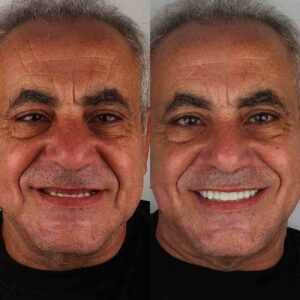
3. What Are the Different Types of Dental Implants?
Understanding the different kinds of dental implants can help you discuss your treatment options with your dentist.
Endosteal Dental Implants
Endosteal implants are the most commonly used type of dental implant.
They are surgically inserted into the jawbone, where they provide support for crowns, bridges, or implant-supported dentures.
These implants are generally suitable for patients with adequate bone volume and healthy surrounding tissues.
Subperiosteal Dental Implants
Subperiosteal implants are positioned on or above the jawbone, beneath the gum tissue, rather than being inserted directly into the bone.
They are much less commonly used than conventional endosteal implants and may be considered in selected cases where traditional implant placement is unsuitable.
Their use requires careful assessment by a suitably experienced clinician.
Zygomatic Dental Implants
Zygomatic implants are longer implants anchored in the cheekbone rather than the upper jawbone.
They may be considered for patients with severe upper jawbone loss who cannot receive conventional implants without extensive additional treatment.
Because this is a complex procedure, it requires specialized training and careful treatment planning.
Mini Dental Implants
Mini dental implants have a smaller diameter than conventional implants.
They may be used in selected situations, such as supporting or stabilizing certain dentures, although they are not suitable for every patient or restoration.
Their appropriateness depends on the available bone, bite forces, and intended use.
4. Which Dental Implant Is Best for Your Needs?
There is no single dental implant that is best for every patient. Different treatment approaches are designed to address different clinical situations.
| Dental condition | Potential treatment option |
| One missing tooth | Single dental implant with a crown |
| Several adjacent missing teeth | Implant-supported bridge |
| Most or all teeth missing | Full-arch implant-supported restoration |
| Insufficient jawbone volume | Bone grafting or selected alternative implant techniques |
| Severe upper jawbone loss | Specialist assessment for advanced implant options |
| Need for improved denture stability | Implant-supported overdenture |
These are possible treatment approaches rather than automatic recommendations. Your dentist must assess your oral health, bone condition, and treatment goals before selecting a suitable option.
Titanium vs. Zirconia Dental Implants: Which Is Better?
Titanium and zirconia are both used in modern dental implant systems, but they have different characteristics.
Titanium dental implants have an extensive history of clinical use and are available in a wide range of implant designs and restorative systems.
Zirconia dental implants are ceramic, tooth-colored alternatives that may be considered in certain clinical and aesthetic situations.
Both materials can achieve successful bone integration. However, the evidence base, available designs, and long-term clinical experience differ between implant systems.
The best material for your treatment depends on clinical requirements, restoration design, and your dentist’s assessment, rather than appearance or material preference alone.
5. How to Choose a Dental Implant Specialist
Choosing a qualified dental implant specialist is an important part of planning your treatment.
A dentist’s experience, qualifications, and approach to diagnosis can influence the treatment options available and how potential complications are managed.
When selecting a dental implant specialist, consider the following factors.
Qualifications and Clinical Experience
Ask about the dentist’s training in implant dentistry and experience treating cases similar to yours.
For complex procedures involving substantial bone loss or full-arch restoration, additional surgical or restorative expertise may be necessary.
Thorough Examination and Treatment Planning
A reputable dental implant specialist should evaluate your teeth, gums, bite, and general health before recommending surgery.
Depending on your case, this assessment may involve X-rays or three-dimensional imaging to examine bone availability and nearby anatomical structures.
You should understand why a specific treatment has been recommended and whether other options are available.
Clear Communication About Risks and Alternatives
Dental implants are a well-established treatment, but they are not completely free from risks.
Potential complications include infection, implant failure, damage to nearby structures, and inflammation of the tissues surrounding an implant.
Your dentist should discuss relevant risks, expected healing, potential additional procedures, and reasonable alternatives before treatment.
Follow-Up and Long-Term Care
Implant treatment does not end when the final crown or restoration is placed.
Regular professional assessments and ongoing oral hygiene are important for maintaining the health of the implant and surrounding tissues.
Choose a dentist who explains the maintenance requirements and provides an appropriate follow-up plan.
6. What to Look for in a Dental Implant Clinic
If you’re wondering how to choose a reputable dental implant clinic, consider more than its location or treatment price.
A reliable clinic should provide a combination of professional expertise, appropriate diagnostic facilities, transparent treatment planning, and ongoing patient support.
Diagnostic Technology
Dental imaging and digital treatment-planning tools can help clinicians evaluate bone structure and plan implant placement.
However, advanced equipment alone does not guarantee successful treatment. The clinician’s judgment and experience remain essential.
Infection Prevention and Sterilization
Implant placement is a surgical procedure, so infection prevention is particularly important.
Ask how the clinic maintains sterilization standards and follows established procedures for surgical instruments and treatment areas.
Personalized Treatment Plans
A suitable implant plan should reflect your particular dental condition.
Be cautious of clinics that recommend the same treatment for every patient or promise guaranteed results without a comprehensive examination.
Transparent Treatment Costs
Before proceeding, request a treatment plan explaining what is included in the quoted cost.
This may cover diagnostic imaging, the implant fixture, abutment, final crown, additional surgical procedures, and follow-up appointments.
Clarifying these details helps you compare treatment proposals more accurately.
Patient Reviews and Previous Cases
Patient experiences can provide useful insight into communication, appointment management, and overall service quality.
You may also ask whether the dentist can discuss comparable clinical cases, while remembering that another patient’s results do not guarantee your own outcome.
7. Questions to Ask Before Choosing Dental Implants
Your initial consultation is an opportunity to understand your treatment options and make an informed decision.
Consider asking your dentist:
- Am I a suitable candidate for dental implants?
- Which dental implant option do you recommend for my case, and why?
- Do I have sufficient jawbone to support the implant?
- Will I need a bone graft or any additional procedures?
- What implant material, brand, and system will be used?
- What are the potential risks and complications?
- How long will my treatment and healing take?
- What alternatives should I consider?
- What is included in the total treatment cost?
- What follow-up appointments and long-term maintenance will I need?
A detailed consultation should leave you with a clear understanding of the proposed treatment, its limitations, and the next steps.
8. What Happens During the Dental Implant Procedure?
The dental implant process generally involves several stages, although the sequence and duration vary between patients.
Initial Consultation
Your dentist examines your oral health, reviews your medical history, and uses appropriate imaging to evaluate the proposed implant site.
A personalized treatment plan is then developed.
Implant Placement
During the surgical procedure, the implant is positioned in the jawbone.
Local anesthesia is commonly used to manage discomfort during placement, although patients may experience soreness or swelling afterward.
Healing and Osseointegration
The surrounding bone gradually heals around the implant, helping provide the stability needed to support a replacement tooth.
This process can take several months, depending on the patient and treatment approach.
Abutment and Restoration Placement
An abutment connects the implant to the final restoration.
Once the implant is ready, a custom-made crown, bridge, or other suitable restoration is attached.
Some patients may qualify for immediate temporary restorations, but not everyone is a candidate for this approach.
For more information about available treatments, explore our dental implants in Egypt service.
9. How to Maintain Your Dental Implants
Dental implants can provide long-term tooth replacement, but their longevity depends on several factors, including oral hygiene, general health, and regular professional care.
To help maintain your implants:
- Brush your teeth twice daily and clean around the implants using the technique recommended by your dentist.
- Use appropriate interdental cleaning tools to remove plaque from difficult-to-reach areas.
- Attend regular dental examinations and professional maintenance appointments.
- Avoid smoking, particularly during healing.
- Follow your dentist’s advice regarding food choices and activities after surgery.
- Seek dental advice if you notice bleeding, swelling, persistent discomfort, or movement around an implant.
Implants cannot develop tooth decay, but the surrounding gum and bone tissues can still become inflamed or diseased if not properly maintained.
10. Why Choose Perfect Smile for Dental Implant Treatment?
At Perfect Smile Dental Center, we understand that choosing dental implants involves important decisions about your oral health, comfort, and long-term dental function.
Our approach focuses on evaluating each patient’s needs and discussing suitable treatment options before proceeding.
With clinics in Heliopolis and the Fifth Settlement, New Cairo, Perfect Smile provides access to dental consultations and restorative treatment services.
Whether you’re replacing a single missing tooth or exploring options for multiple missing teeth, an individual assessment can help determine the most appropriate next steps.
Choosing the best dental implant starts with understanding your dental needs and receiving a thorough professional assessment.
Factors such as bone health, the number of missing teeth, implant material, and the dentist’s experience all contribute to selecting an appropriate treatment.
Rather than choosing an implant based on price or popularity alone, focus on understanding the available options, asking the right questions, and working with a qualified dental professional.
At Perfect Smile Dental Center, our team can help you explore your tooth replacement options and develop a treatment plan based on your individual needs.
Take the first step toward restoring your smile. Schedule your consultation at Perfect Smile Dental Center.
Frequently Asked Questions About Choosing Dental Implants
How do I choose the best dental implant?
The best dental implant depends on your jawbone health, the number of missing teeth, your medical history, and the type of restoration needed. A qualified dentist can assess these factors and recommend a suitable implant system and treatment plan.
Which dental implant options are most recommended?
Conventional endosteal implants are the most commonly used type. However, the most appropriate option depends on the patient’s individual dental condition. Some cases may require additional procedures or alternative techniques.
How do I choose the best place for dental implants?
Look for qualified clinicians, thorough diagnostic assessments, clear treatment explanations, appropriate sterilization protocols, and reliable follow-up care. The clinic should also explain potential risks, alternatives, and treatment costs before proceeding.
Are titanium or zirconia dental implants better?
Both materials can be used successfully in dental implant treatment. Titanium has a longer and broader clinical history, while zirconia offers a ceramic alternative. The better option depends on the clinical situation and the available implant systems.
Can I get dental implants if I have bone loss?
Bone loss does not automatically rule out implant treatment. Depending on its severity and location, your dentist may recommend bone grafting or another appropriate treatment approach.
How long do dental implants last?
Dental implants can function for many years, but no implant is guaranteed to last for life. Long-term results depend on oral hygiene, gum health, general health, implant placement, restoration design, and regular dental maintenance.