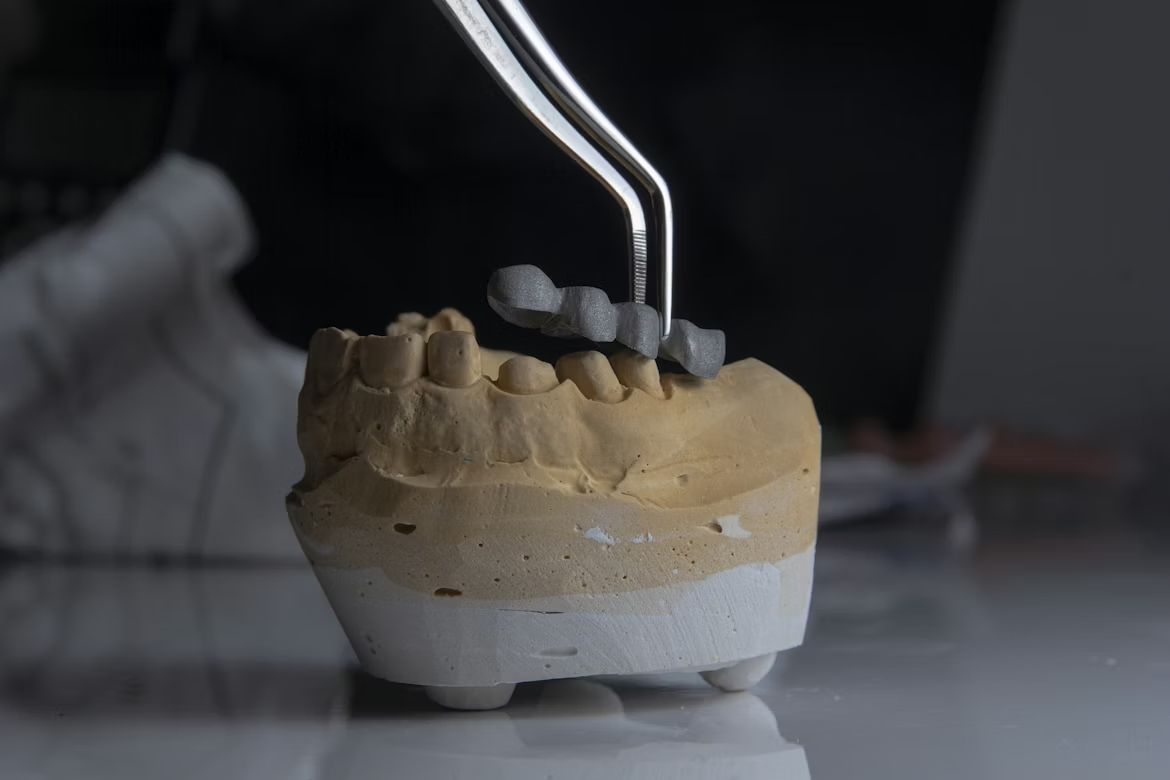
Dental implants have become one of the most advanced and reliable solutions for replacing missing teeth. Many patients considering implants often ask an important question: what material are dental implants made of and whether these materials are safe and long-lasting. Modern dental implants are designed to mimic natural tooth roots and provide a strong foundation for artificial teeth.
In this guide, we will explain what material dental implants are made of, explore the different implant types, discuss dental implant requirements, and answer common questions about safety, durability, and modern options such as one day dental implants.
What Are Dental Implants and How Do They Work?
Dental implants are small screw-like posts surgically placed into the jawbone to replace missing tooth roots. Once inserted, the implant gradually bonds with the bone through a process called osseointegration, creating a stable base for crowns, bridges, or dentures.
This process allows implants to function like natural teeth, restoring chewing ability, improving speech, and maintaining jawbone health.
What Is the Most Popular Type of Implant?
The most popular type of dental implant is the endosteal implant. This implant is placed directly into the jawbone and is typically made from titanium. Endosteal implants are widely used because they are highly durable and have a long success rate when placed by experienced dentists.
What Are the Four Types of Implants?
Patients often ask what are the 4 types of implants available today. The most common types include:
- Endosteal implants: the most widely used, placed inside the jawbone.
- Subperiosteal implants: placed under the gum but above the jawbone.
- Zygomatic implants: anchored in the cheekbone for patients with severe bone loss.
- All-on-4 implants: a technique where four implants support a full arch of teeth.
Each type is chosen based on the patient’s bone condition and dental needs.
Which Artificial Teeth Is Best for Dental Implants?
The best artificial teeth used with implants are typically porcelain or zirconia crowns. These materials closely resemble natural teeth in color and strength, providing excellent durability and aesthetics.
What material are dental implants made of and the best type?
One of the most common questions patients ask is what material dental implants are made of. In modern dentistry, implants are primarily made from titanium or zirconia, both known for their strength and compatibility with the human body.
Are Dental Implants 100% Titanium?
Most dental implants are made from medical-grade titanium or titanium alloys. These materials are extremely strong and integrate well with bone tissue. Titanium implants are not always 100% pure titanium; they may include alloys to improve durability and resistance.
What Are the Disadvantages of Titanium Implants?
Although titanium implants are highly successful, some potential disadvantages include:
- Rare allergic reactions in sensitive patients
- Possible aesthetic concerns in very thin gum tissue
- The need for sufficient bone density for placement
Despite these limitations, titanium remains the most reliable implant material.
Why Titanium Is the Most Common Material Used in Implants
Titanium is widely used because it:
- Bonds naturally with bone
- Is corrosion resistant
- Is strong and lightweight
- Has been successfully used in medicine for decades
These properties make titanium the preferred material when discussing what material dental implants are made of.
Safety and Medical Considerations of Dental Implants
Dental implants are considered one of the safest dental treatments available when performed by experienced specialists.
Can I Have an MRI With Dental Implants?
Yes. Patients can safely undergo MRI scans even if they have dental implants. Titanium implants are non-magnetic and do not interfere with MRI machines.
Are Titanium Dental Implants Safe With MRI Scans?
Titanium implants are compatible with MRI scans because they are made from materials that do not react to magnetic fields.
Do Dental Implants Affect Medical Imaging?
In most cases, dental implants do not significantly affect medical imaging. However, they may appear on certain scans like X-rays or CT scans, which is normal.
Dental Implant Requirements and Eligibility
Not every patient is immediately eligible for implants. Dentists evaluate several factors before recommending the procedure.
What Are the Requirements for Dental Implants?
The most important dental implant requirements include:
- Healthy gums
- Adequate jawbone density
- Good oral hygiene habits
- Overall good health
Who Is a Good Candidate for Dental Implants?
Patients who have lost one or more teeth and have healthy bone structure are typically good candidates for implants.
When Are Dental Implants Not Recommended?
Implants may not be recommended for patients with severe bone loss, uncontrolled diabetes, or heavy smoking habits unless treated first.
Dental Implant Guidelines and Rules
Dentists follow certain guidelines to ensure implant success.
What Is the 3-2 Rule for Dental Implants?
The 3-2 rule generally refers to spacing considerations between implants and natural teeth to ensure proper bone support and long-term stability.
What Is the 50-40-30 Rule in Dentistry?
This guideline relates to evaluating bone levels and gum health when planning restorative treatments such as implants or crowns.
How These Rules Help Improve Implant Success
Following these rules helps dentists maintain bone health, improve aesthetics, and increase implant longevity.
Modern Techniques and Innovations in Dental Implants
Dental implant technology has advanced significantly in recent years, allowing dentists to provide faster, safer, and more precise treatments. These innovations improve healing time, increase success rates, and offer patients more comfortable solutions for replacing missing teeth.
What Are One Day Dental Implants?
One day dental implants, also known as same-day implants or immediate load implants, allow patients to receive a dental implant and a temporary tooth in a single visit. Unlike traditional implants that require months of healing before placing the crown, this technique provides immediate aesthetic results while the implant integrates with the bone over time.
This method is ideal for patients with good bone density and healthy gums, but the final suitability must be determined by a dental implant specialist.
Advances in Digital Dental Implant Planning
Modern implant procedures often use 3D digital scanning and computer-guided surgery. These technologies help dentists place implants with extreme precision, reducing surgery time and improving the accuracy of implant placement.
Digital planning also helps identify the best implant position while protecting surrounding nerves and bone structures.
Immediate vs Traditional Dental Implants
There are two common approaches when placing dental implants:
- Immediate implants (one day dental implants): placed immediately after tooth extraction with a temporary crown.
- Traditional implants: placed after the bone heals, usually requiring several months before the final tooth is attached.
Both methods are effective, but the choice depends on bone condition, oral health, and treatment goals.
Restore Your Smile With Perfect Smile Dental Center
If you are considering dental implants and wondering what material dental implants are made of, the best step is to consult with experienced dental professionals who can evaluate your condition and recommend the most suitable solution.
At Perfect Smile Dental Center, our specialists provide advanced dental implant treatments using the latest technologies and high-quality materials to restore both function and aesthetics.
Whether you are interested in traditional implants or modern options like one day dental implants, our team is here to help you achieve a confident and healthy smile.
FِِAQ:
What Is the Best Material for Dental Implants?
Titanium and zirconia are considered the best materials because they are strong, biocompatible, and long-lasting.
Are Dental Implants Permanent?
Dental implants can last 20 years or more, and in many cases they last a lifetime with proper care.
How Long Do Dental Implants Last?
With good oral hygiene and regular dental visits, implants can last decades.
What Is the Most Popular Type of Implant?
The endosteal implant remains the most popular and widely used type worldwide.